
News
This Week In Review…Sunday Edition
Columbus community organizations mobilize voters with weekend events ahead of Nov. 3 election READ MORE Q&A With Wane


When Gov. Brian Kemp considers his appointments to the two vacancies on the Muscogee County State Court bench, the decision should be about more than filling two empty seats.
It should also be about the future of justice in Columbus, the public's confidence in our judicial system and whether the people who enter our courtrooms believe the system recognizes and respects the community it serves.

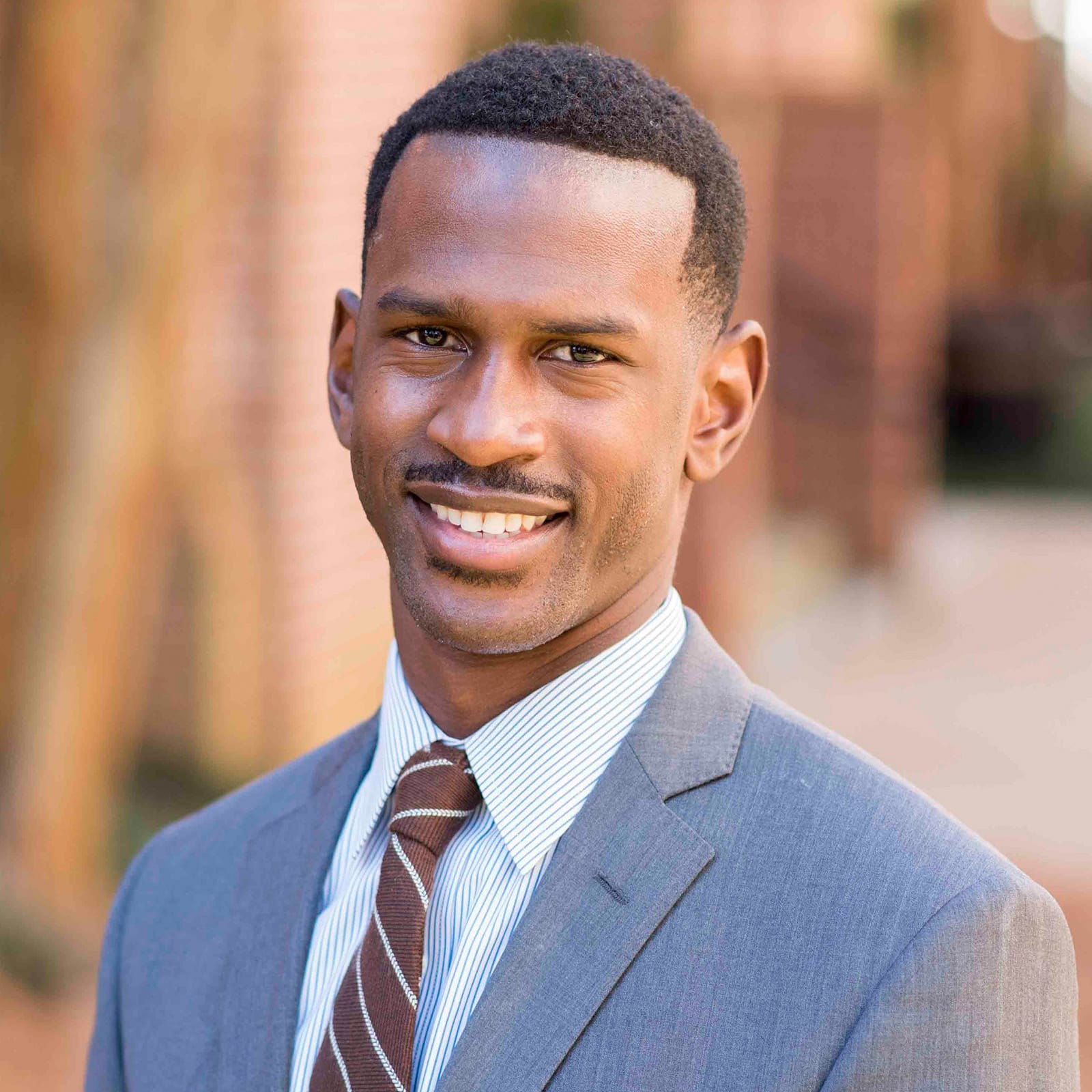
Jennifer Dunlap, Alex Shalishali
Among those recommended by the Judicial Nominating Commission are Jennifer E. Dunlap, a partner at Dunlap & Lakes, P.C., and executive director of A Second Chance Criminal Record Relief, and Alex M. Shalishali, an attorney and shareholder with Page, Scrantom, Sprouse, Tucker & Ford, P.C., who also serves as county attorney for the Dougherty County Board of Commissioners.
Their consideration presents an opportunity to have a broader conversation about judicial experience, community representation and the direction of our local court system.
A Community That Deserves to Be Reflected
Muscogee County is not the same community it was 30 or 40 years ago.

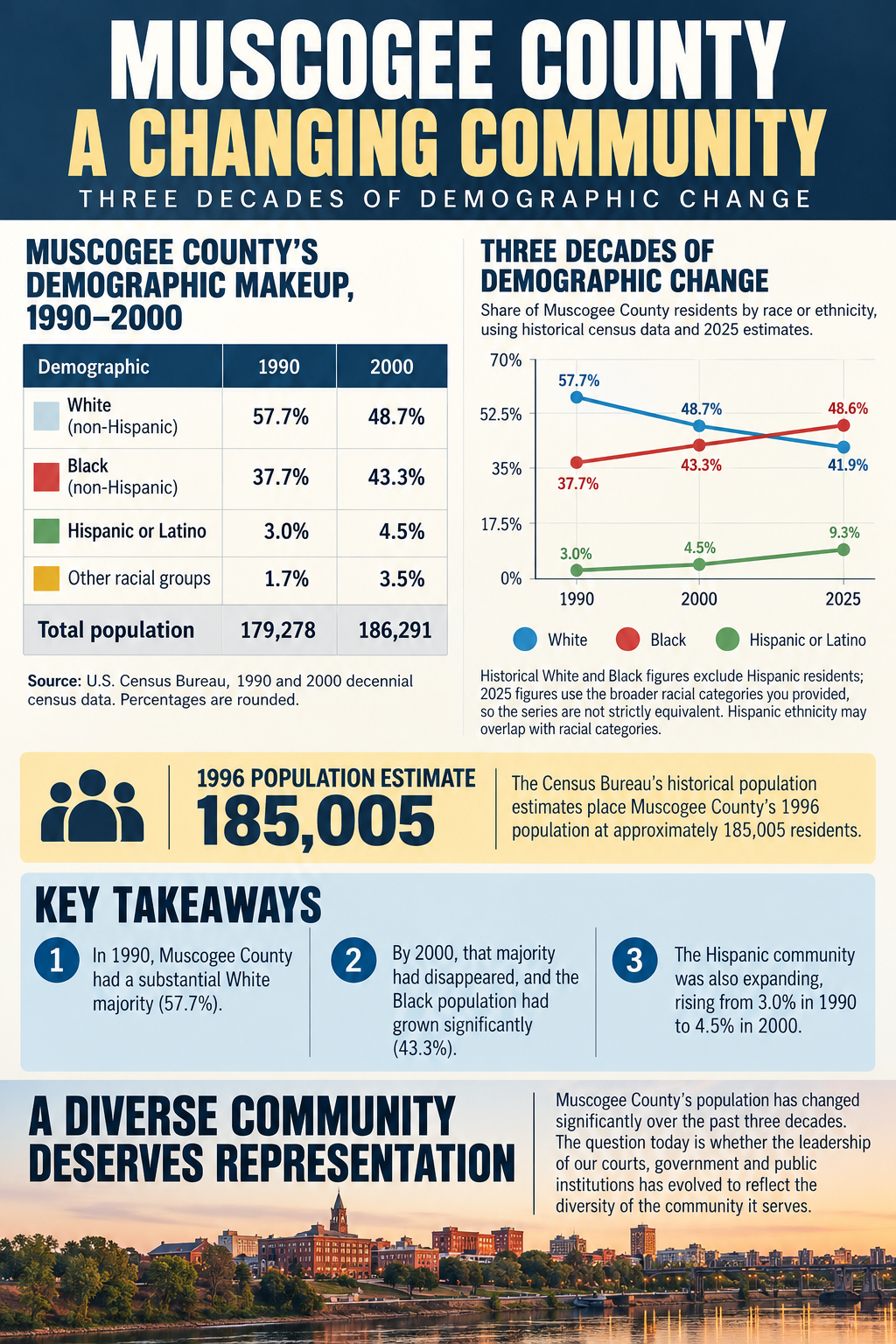
Columbus is a diverse city, with a substantial African American population, a growing Hispanic community and residents representing a wide range of racial, ethnic, cultural and socioeconomic backgrounds.
That diversity should matter when we consider the institutions responsible for administering justice.
This is not an argument that judges should be selected simply because of their race, ethnicity or gender. Nor should anyone suggest that a judge's background automatically determines how that individual will rule.
It is an argument that qualifications, professional experience, fairness, cultural understanding and public confidence all deserve consideration.
Justice must not only be administered fairly. The public must have reason to believe that fairness is available to everyone.
An Opportunity to Level the Playing Field
For too long, discussions about our judicial system have focused primarily on who occupies the bench rather than whether the system itself is meeting the needs of the people.
The appointment of two State Court judges provides an opportunity to examine both questions.
Dunlap's work with criminal record relief brings attention to an important part of the justice system: what happens to individuals after they have served their sentences and seek to rebuild their lives.
Shalishali's experience in private practice and county government brings another perspective to the discussion, particularly concerning the relationship between law, government and the public.
These professional experiences deserve careful consideration alongside those of the other recommended candidates.
The larger question is whether the appointments can strengthen public confidence in a court system serving people from every neighborhood in Columbus — from North Columbus to South Columbus, from established communities to neighborhoods that have historically felt overlooked.
A person's ZIP code, income or connections should never determine the quality of justice that person receives.
What About the Push for a Single Judicial Circuit?
There is another issue that makes these appointments particularly significant.
The ongoing discussion surrounding the possibility of a single judicial circuit deserves attention.
For those who believe structural changes are necessary to improve representation, accountability and access to justice, the composition of the judiciary is an important part of that conversation.
Appointments that demonstrate a meaningful commitment to professional excellence, broad experience and public confidence could help address some of the concerns fueling calls for judicial restructuring.
But two appointments alone cannot settle the issue.
Any proposal to change the judicial circuit structure should be evaluated on its legal merits, its potential impact on court administration, its costs and, most importantly, whether it would improve access to justice for Muscogee County residents.
The real goal should not be to preserve a particular structure simply because it has always existed.
The goal should be to ensure that the structure works fairly for everyone.
The Governor's Decision Will Send a Message
Governor Kemp has an opportunity to demonstrate how judicial appointments can serve both the rule of law and the public's expectation of fairness.
The consideration of Jennifer Dunlap and Alex Shalishali raises important questions about the kind of experience, perspective and leadership our community needs on the State Court bench.
Their qualifications should be thoroughly examined, just as those of every other candidate should be.
And the governor's ultimate decision should be measured not only by the professional credentials of those appointed, but by the confidence those appointments can help build in the judicial system.
Because in a community as diverse as Columbus, the appearance of fairness matters, the reality of fairness matters even more, and both deserve our attention.
The question before us is bigger than who gets the appointment. It is whether these appointments can help move Muscogee County closer to a judicial system in which every citizen has equal standing, every voice is respected and every person receives justice without favor.
That is the standard our community deserves. And that is the conversation these appointments should inspire.