
Columbus Actors Find Their Place at Hillman College in Netflix’s ‘A Different World’ Revival
Veteran local thespians VJ Roberts and Brandy “Angel” Wells-Martin appear in the new generation of the beloved series For


Black and Brown communities have much at stake as voters across the nation prepare to make their voices heard
As Americans prepare for the 2026 midterm elections, voters will once again have an opportunity to help determine the direction of their communities, their states and the nation.
While presidential elections traditionally receive the greatest attention, midterm elections can have an equally significant impact on everyday life. Voters will make decisions about congressional representation and numerous state and local offices that influence education, health care, public safety, economic development, voting laws and other issues.
For Black and Brown communities, the election also provides another reminder of the long struggle for equal access to the ballot.
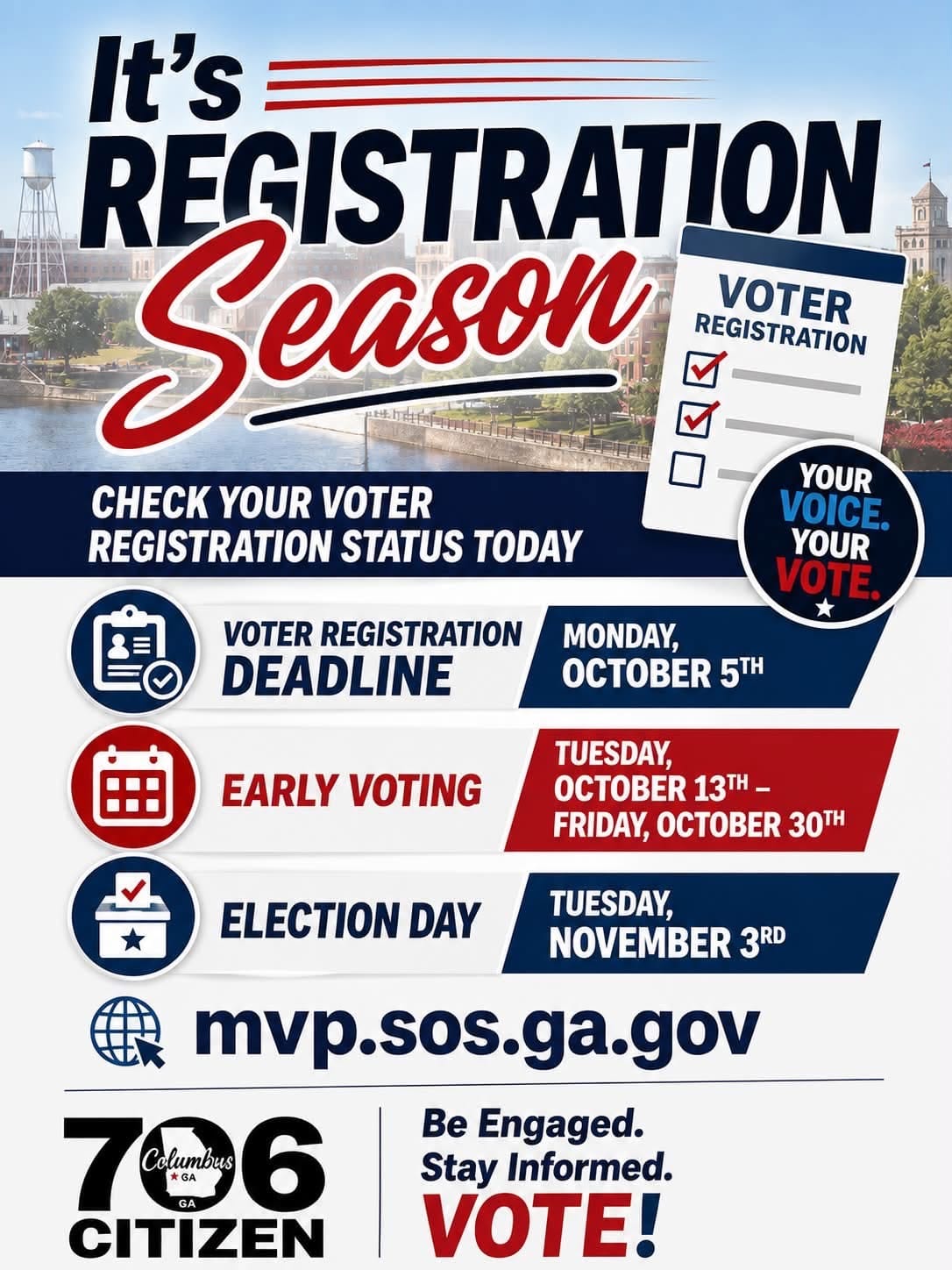
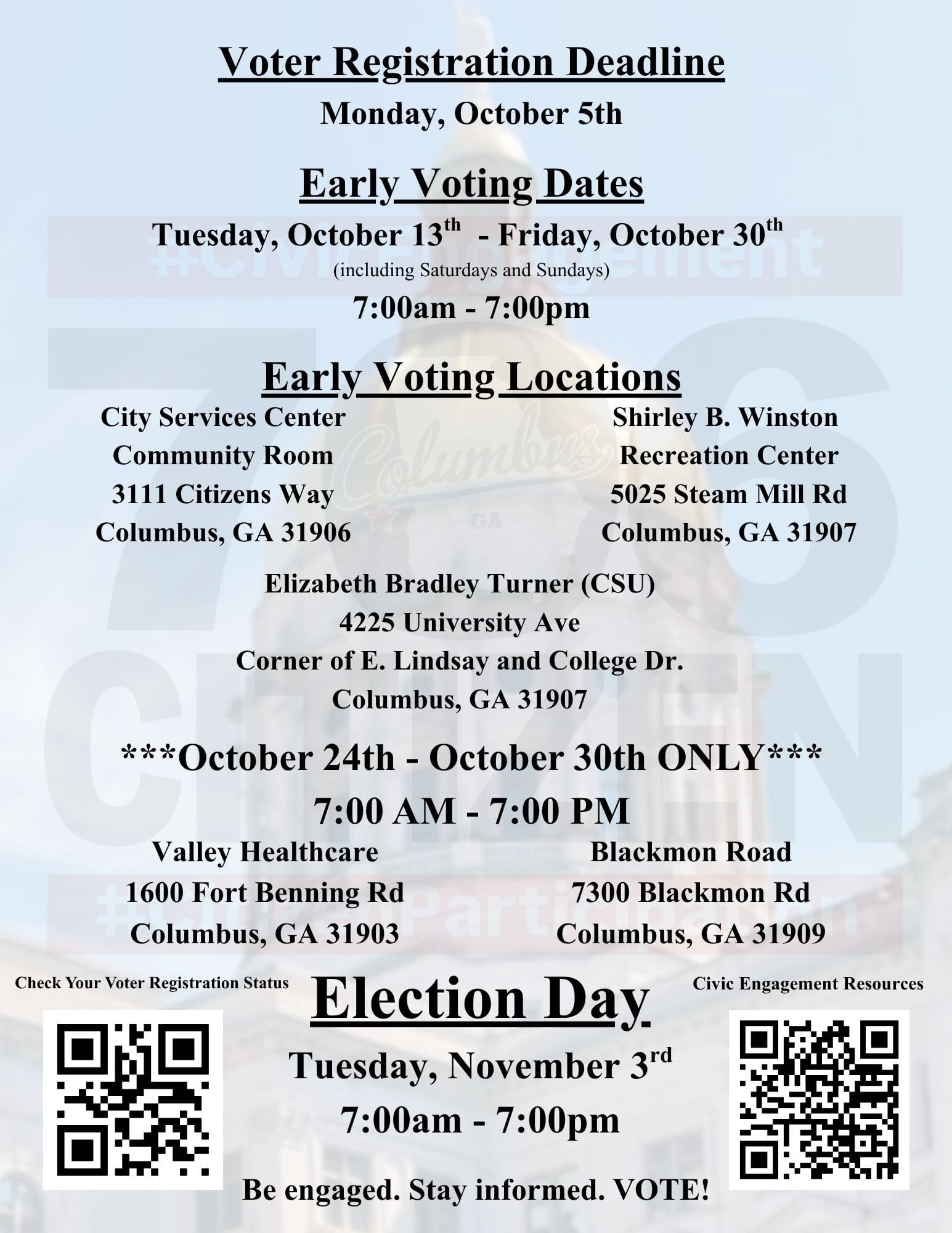
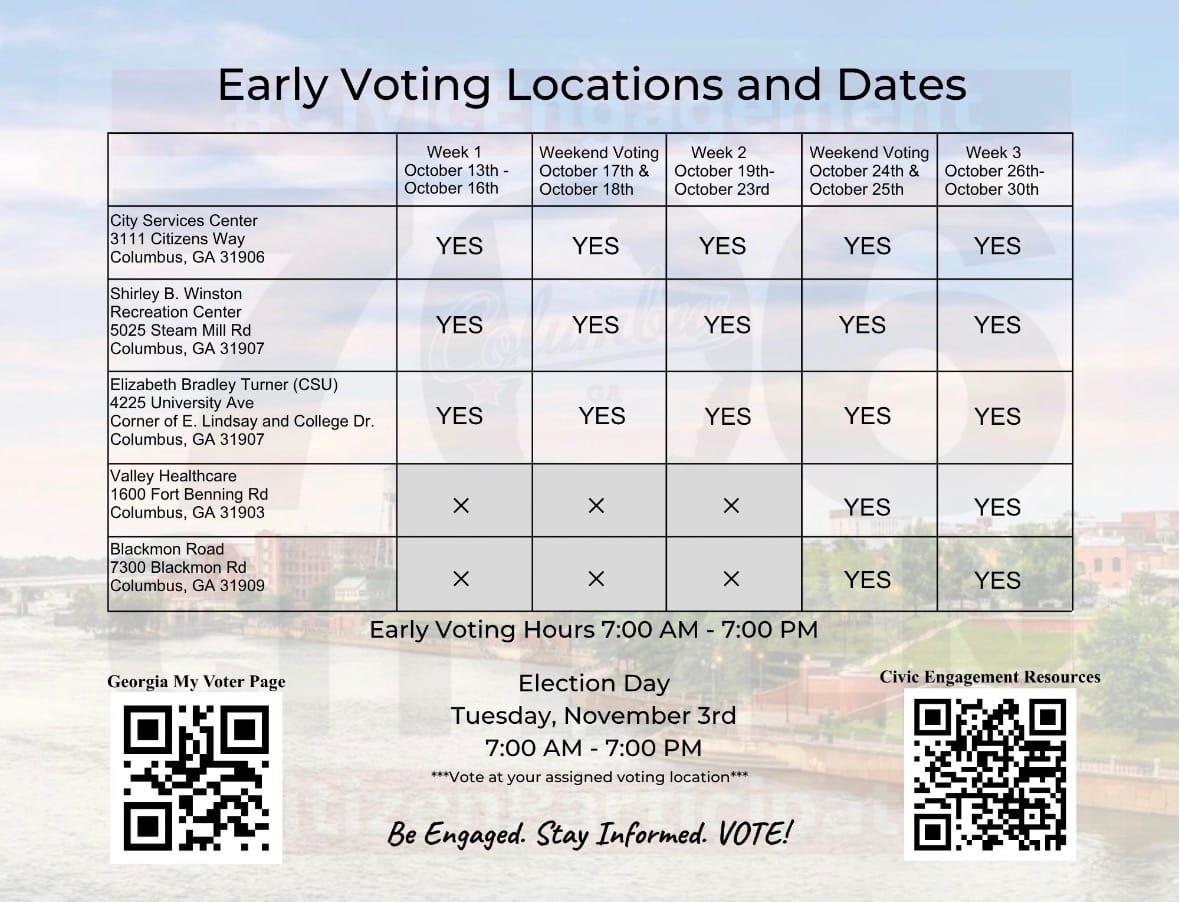
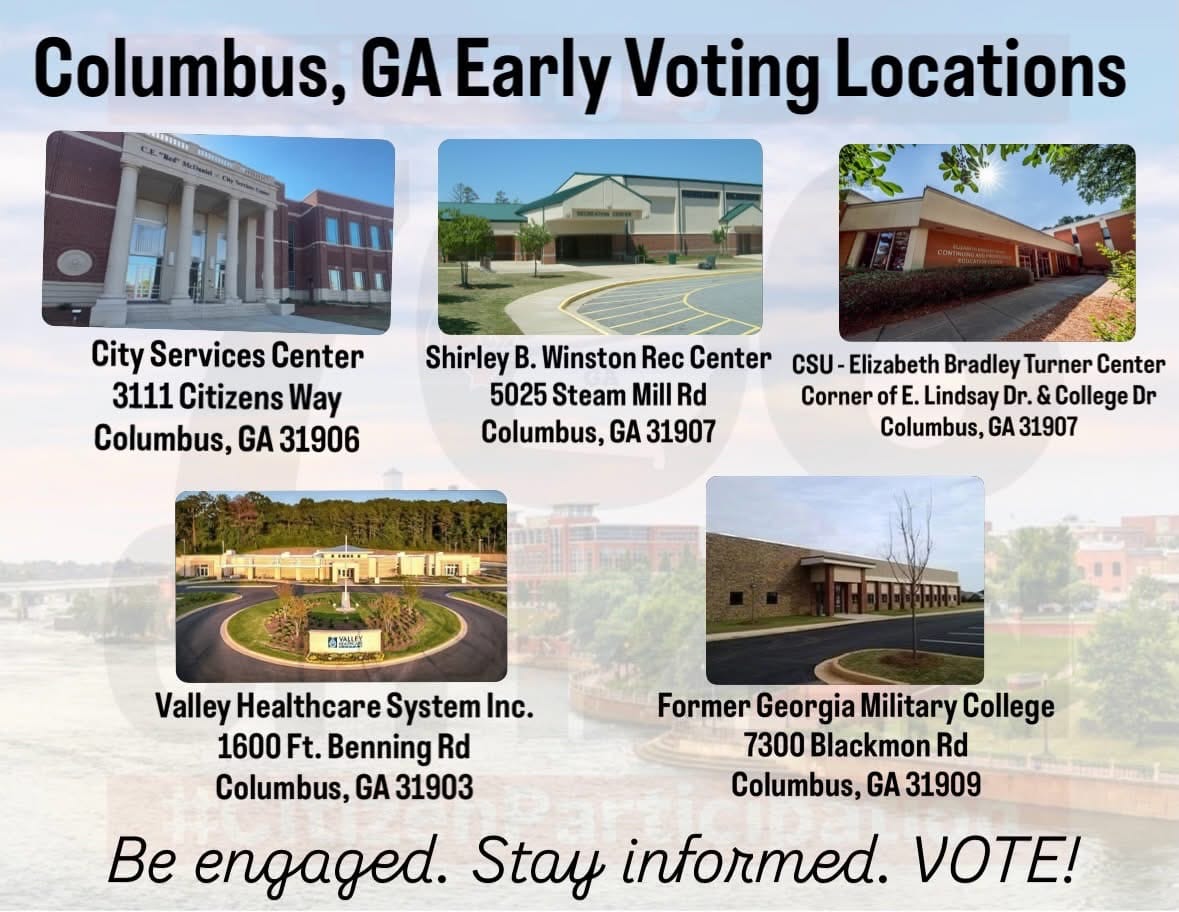
Generations of Americans fought, marched, organized and, in some cases, lost their lives seeking a fundamental right that many people now take for granted: the ability to participate fully in the democratic process.
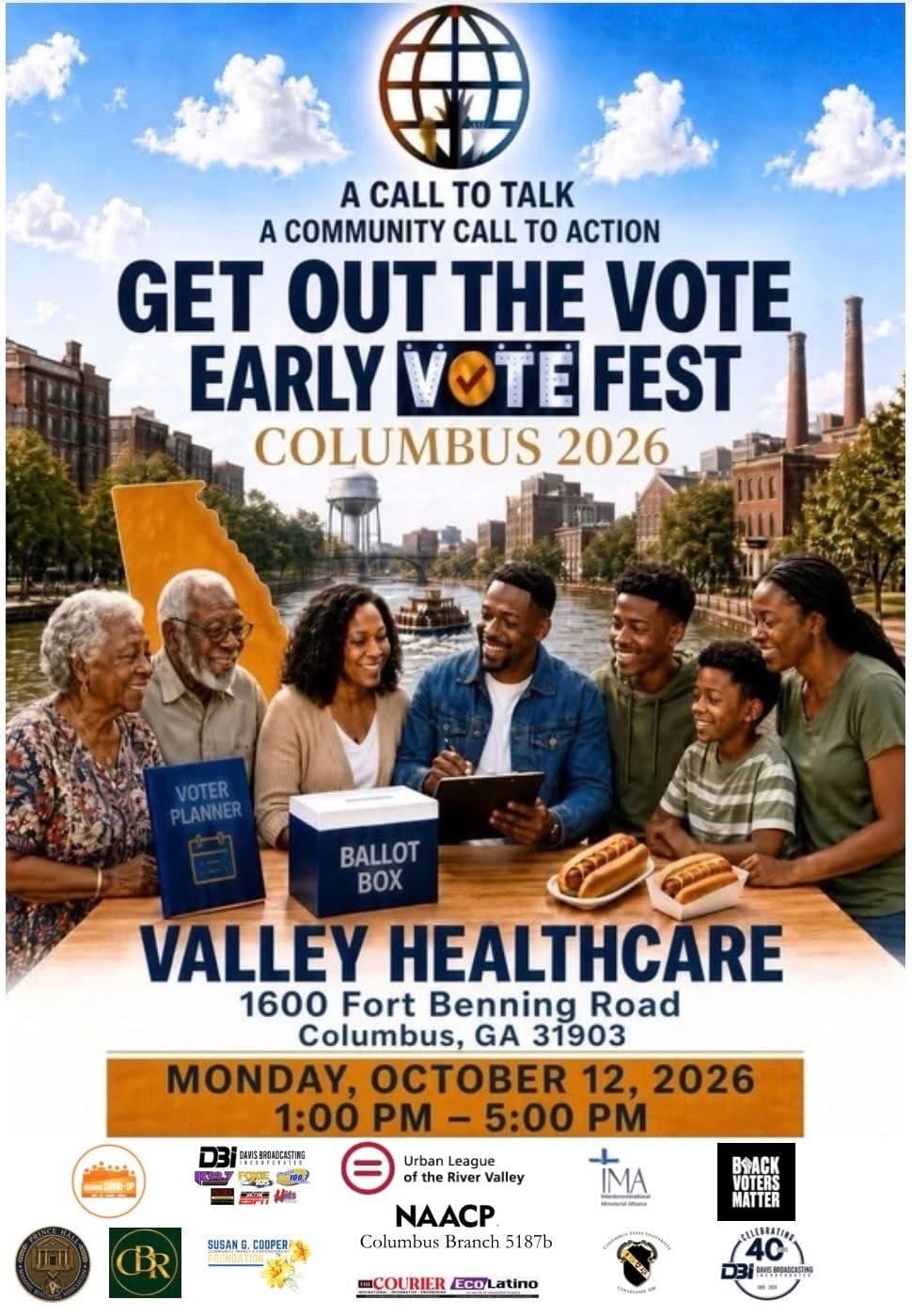
That history makes voter participation about more than any single candidate, political party or election. It is about having a voice.
Historically underrepresented communities can be especially affected by decisions involving neighborhood investment, affordable housing, access to health care, small-business development, criminal justice, education and employment opportunities. Yet communities cannot expect elected officials to understand their concerns if residents remain disconnected from the civic process.
Voting does not guarantee that a preferred candidate will win. It does, however, provide citizens with an opportunity to help determine who will represent them and make decisions on their behalf.
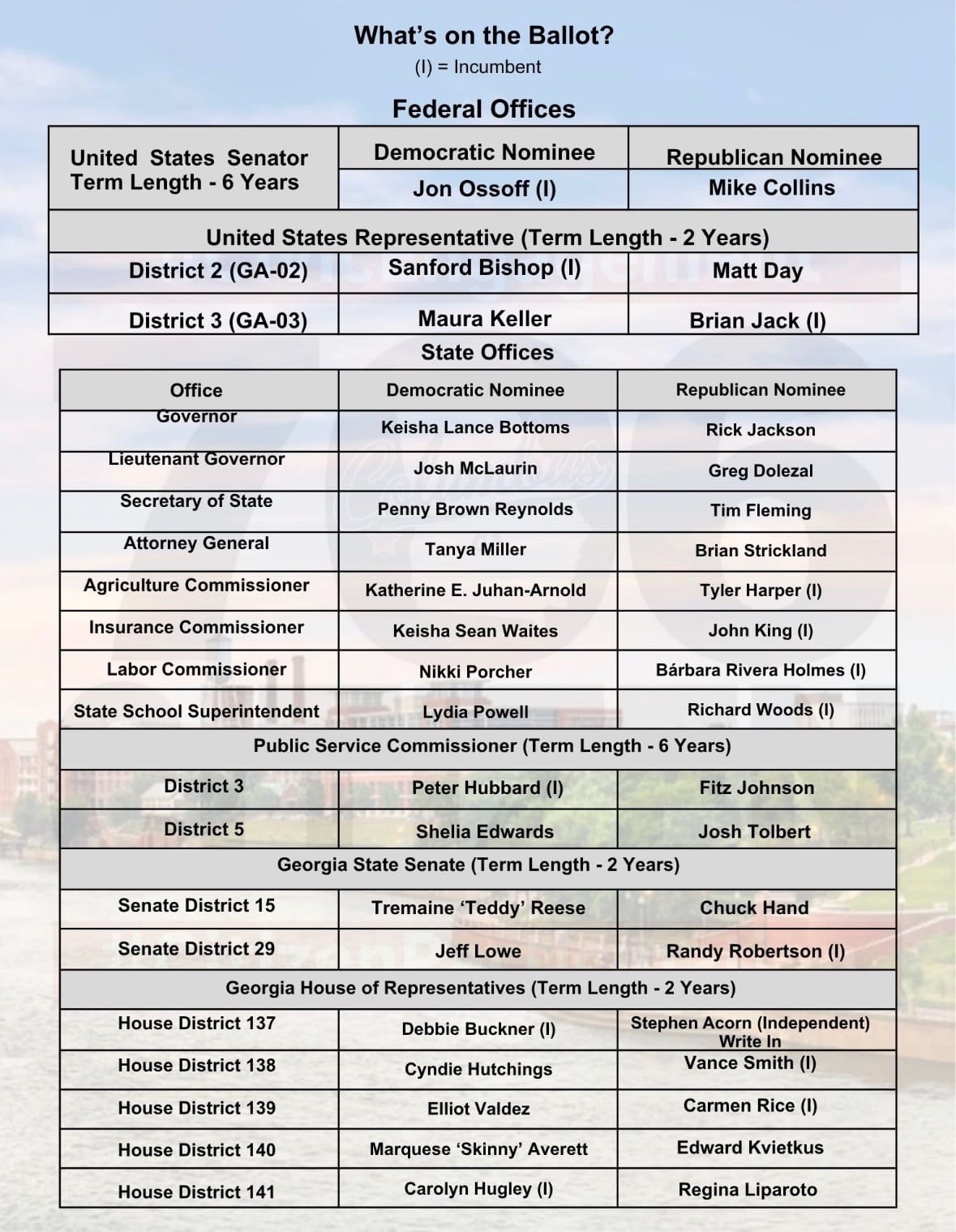
That responsibility extends beyond Election Day. An informed electorate should learn about the offices on the ballot, research the candidates, understand ballot questions and examine the records and positions of those seeking public office. Voters should ask a basic question: Who will best represent the interests and future of the community?
The answer may be different for every voter. That is democracy.
The strength of a community should not be measured simply by the number of people who live there. It should also be measured by how actively its residents participate in the decisions affecting their lives.
Black and Brown communities represent an important part of the economic, cultural and civic fabric of cities across America. Their experiences and perspectives deserve to be part of the democratic conversation. But representation begins with participation.
The ballot is not merely a piece of paper or a screen inside a voting booth. It represents a citizen's opportunity to speak.
Our ancestors fought for that voice. Our communities depend on that voice. And our children will live with many of the decisions made by the leaders voters choose today.
As the midterm elections approach, every eligible voter should become informed, understand what is on the ballot and make an independent decision about whether and how to participate.
Democracy works best when the people show up. And every community deserves to be heard.