
“Like Sands Through the Hourglass, So Are the Days of Our Lives”
Like sands through the hourglass, so are the days of our lives.” Those familiar words, once heard daily in the


The Wrong Words From the Wrong Leader, Columbus Deserves Better Than This
The job of a police chief is one of the most difficult and important positions in local government. Citizens expect their chief law enforcement officer to lead with professionalism, restraint, and an unwavering commitment to the Constitution. That is why Columbus Police Chief Stoney Mathis' recent public comments following a deadly officer-involved shooting should concern every resident of this community.
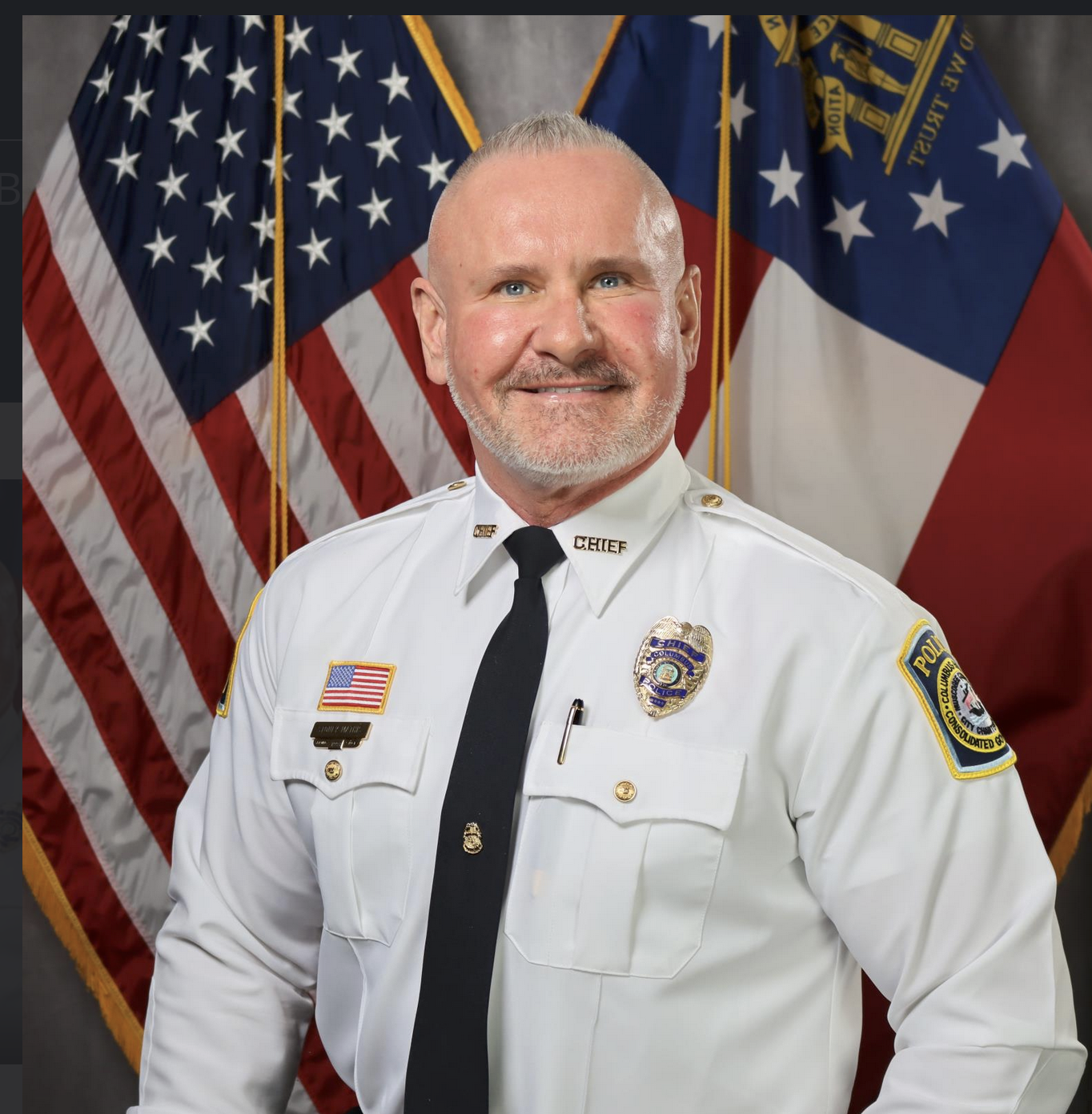
Following the homicide at a Dollar General on Victory Drive and the subsequent confrontation on Baker Plaza Drive that left a police officer and a K-9 injured, Chief Mathis declared:
"And I can tell you this: If you commit murder in the city of Columbus and then you shoot two of my police officers, we're going to kill you."
There is no question that the suspect's actions were violent and dangerous. There is no question that officers responding to such a situation face life-threatening circumstances. And there is no question that law enforcement officers have the legal right to use deadly force when necessary to protect themselves or others from an imminent threat.
But that is not what Chief Mathis said.
His statement was not about stopping a threat. It was not about protecting lives. It was about killing someone.
Words matter, especially when spoken by the highest-ranking law enforcement officer in the city.
The United States Constitution guarantees due process to every citizen. Our system of justice is built on the principle that no individual—not a police chief, not a mayor, not a judge—has the authority to decide who lives and who dies outside the judicial process. Police officers are empowered to use force when necessary to stop an imminent threat, not to exact punishment.
The distinction is critical.
Law enforcement agencies across America train officers to "shoot to stop," not "shoot to kill." The objective is to neutralize a threat, not to administer a death sentence. When a police chief publicly states that anyone who shoots an officer will be killed, he blurs that distinction and creates a dangerous perception that retribution—not justice—is guiding law enforcement decisions.
Such rhetoric carries consequences.
It risks encouraging excessive-force mentalities. It undermines public confidence in the fairness of policing. It fuels fears among communities that already struggle with trust in law enforcement. And it potentially exposes the city to legal liability by creating the appearance that deadly force is being promoted as punishment rather than protection.
Most importantly, it sends the wrong message about the rule of law.
Police officers deserve to return home safely at the end of every shift. Those who attack officers should be arrested, prosecuted, and punished to the fullest extent of the law. But the law—not emotion, not anger, and not retaliation—must determine that punishment.
Columbus cannot afford leadership that speaks carelessly about life and death.
The issue is bigger than one incident. It is about whether the city's top law enforcement officer understands the constitutional responsibilities that come with the badge he wears and the office he holds.
Chief Mathis may have been speaking from frustration, anger, or loyalty to wounded officers. Those emotions are understandable. But leadership requires discipline, especially during moments of crisis. The public deserves a police chief who reassures citizens that the law will be followed—not one who appears to suggest that suspects will be executed.
Public trust is difficult to earn and easy to lose.
For the sake of that trust, for the integrity of the Columbus Police Department, and for the principles of justice that define our nation, Chief Stoney Mathis should either retract and apologize for his comments—or step aside.
In a nation governed by laws, no one gets to decide who lives and who dies.
Not even the police chief.