
Why Were the Police Involved? Political Signs, Police Resources and Questions Columbus Deserves Answered
Something about this situation just doesn’t sit right. A controversy over political campaign signs reportedly placed in a public


Politics has always involved persuasion. Candidates seek support, communicate their vision, and attempt to connect with voters. But there is a growing difference between genuine leadership and what many observers describe as political pandering and posturing.
Pandering occurs when politicians tell specific groups exactly what they want to hear, regardless of whether those promises align with reality, sound public policy, or even the candidate's own beliefs. The goal is simple: secure votes and public approval.
Posturing, on the other hand, is political theater. It involves adopting dramatic positions, staging symbolic events, or projecting exaggerated confidence to create the appearance of strength, expertise, or leadership. The objective is not necessarily to solve problems but to shape perceptions.
Unfortunately, both tactics have become increasingly common in modern politics.
At their core, pandering and posturing often prioritize short-term popularity over long-term governance. They focus on appearances rather than substance. They reward slogans over solutions and optics over outcomes.
Today, visual imagery has become one of the most powerful tools in this political playbook.
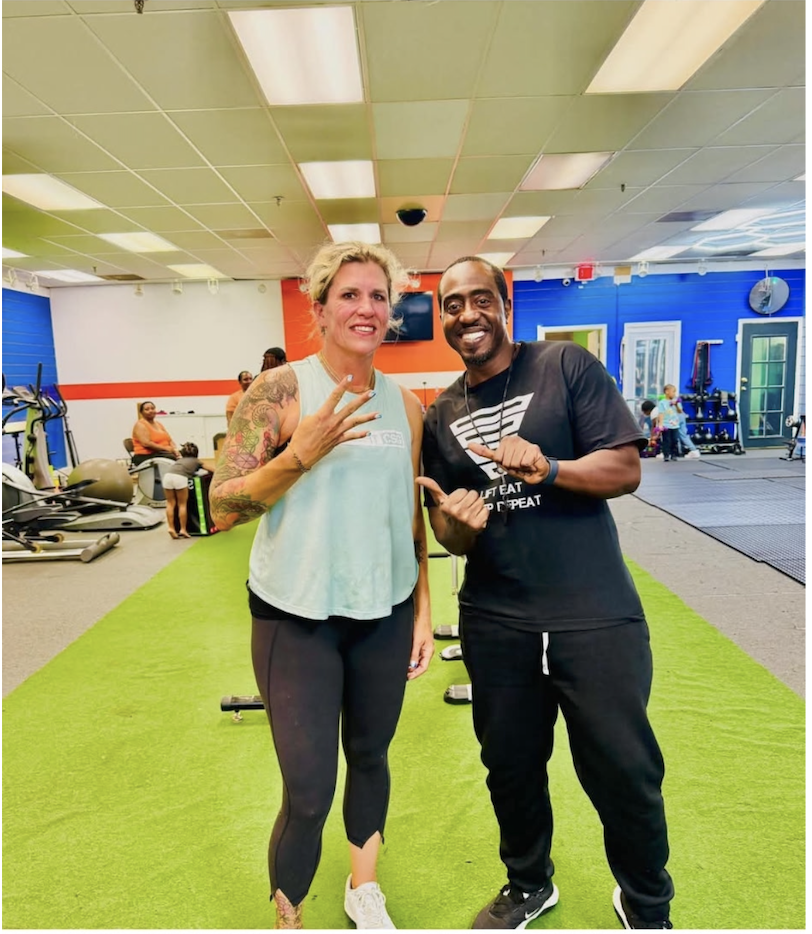
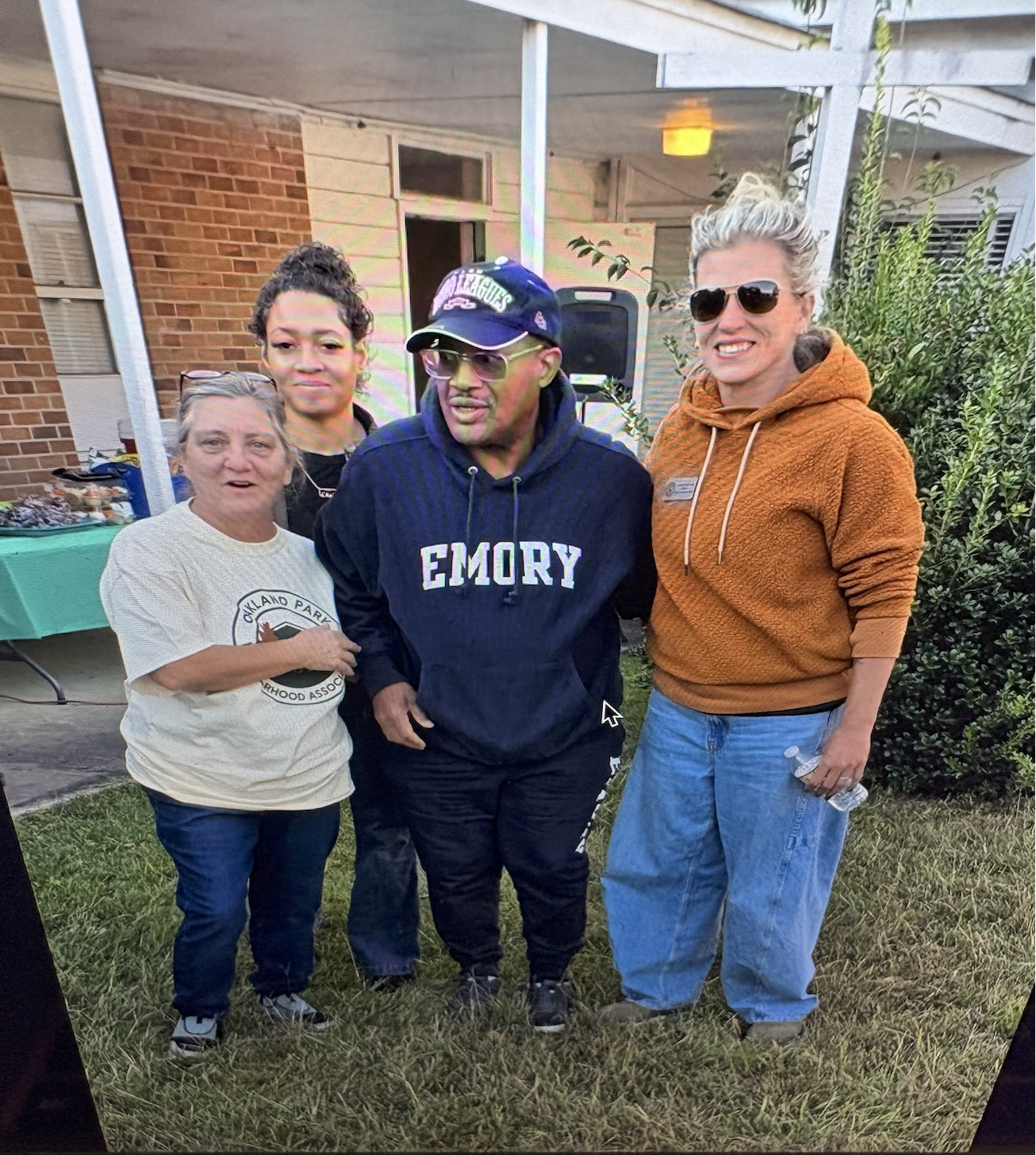
Politicians understand that a carefully crafted photograph can often generate more attention than a detailed policy proposal. Images of candidates eating at local diners, wearing hard hats at construction sites, attending church services, or posing with community members are frequently designed to project an "everyday person" image. Whether those moments are authentic or staged is often left for voters to determine.
Likewise, photographs featuring flags, law enforcement officers, military equipment, or large crowds are commonly used to project authority, patriotism, and strength. These images are intended to send a message before a single word is spoken.
The rise of social media has amplified this phenomenon.
Platforms such as Facebook, Instagram, TikTok, and X allow politicians to carefully curate their public image. Voters are often presented with a polished version of a candidate's life, one designed to create emotional connections and foster a sense of familiarity. In many cases, these carefully managed images generate stronger reactions than discussions about budgets, infrastructure, economic development, or public safety.
Why does this work? Because images are powerful.
Human beings are visual creatures. We tend to trust what we see. A photograph often creates an illusion of authenticity even when the context behind the image tells a very different story. Emotional images can bypass critical thinking and trigger immediate reactions based on fear, pride, anger, hope, or loyalty.
That may be effective politics, but it is not necessarily effective leadership.
The danger is that voters begin evaluating candidates based on who produces the best photo opportunities rather than who offers the best solutions. Politics becomes a competition of images rather than ideas.
Eventually, however, reality catches up.
When voters discover that the carefully crafted image does not match the actual performance, authenticity fatigue sets in. Citizens grow skeptical. Trust erodes. Political brands become harder to sustain. In the age of social media, even the most carefully staged photograph can quickly become a viral meme, undermining the very message it was intended to communicate.
As voters, we should look beyond the picture. Ask harder questions. What has the candidate accomplished? What experience do they bring? What policies are they proposing? Who are they when the cameras are turned off?
Pictures can tell a story, but they rarely tell the whole story. Leadership is not measured by photo opportunities, social media likes, or carefully crafted political theater. It is measured by results, accountability, integrity, and the willingness to serve even when nobody is watching.
The next time a politician posts the perfect picture, remember this: a photograph may capture a moment, but it does not necessarily reveal the truth.