
Rev. Jesse L. Jackson: A Voice That Refused to Be Silenced
Civil rights leader, presidential candidate and founder of Operation PUSH leaves an indelible mark on American history The Rev. Jesse


State Rep. Carolyn Hugley and her House colleagues returned to the Georgia State Capitol on Monday, Feb. 9, to begin the fifth week of the 2026 legislative session, advancing a slate of bipartisan measures as the General Assembly moves closer to Crossover Day.
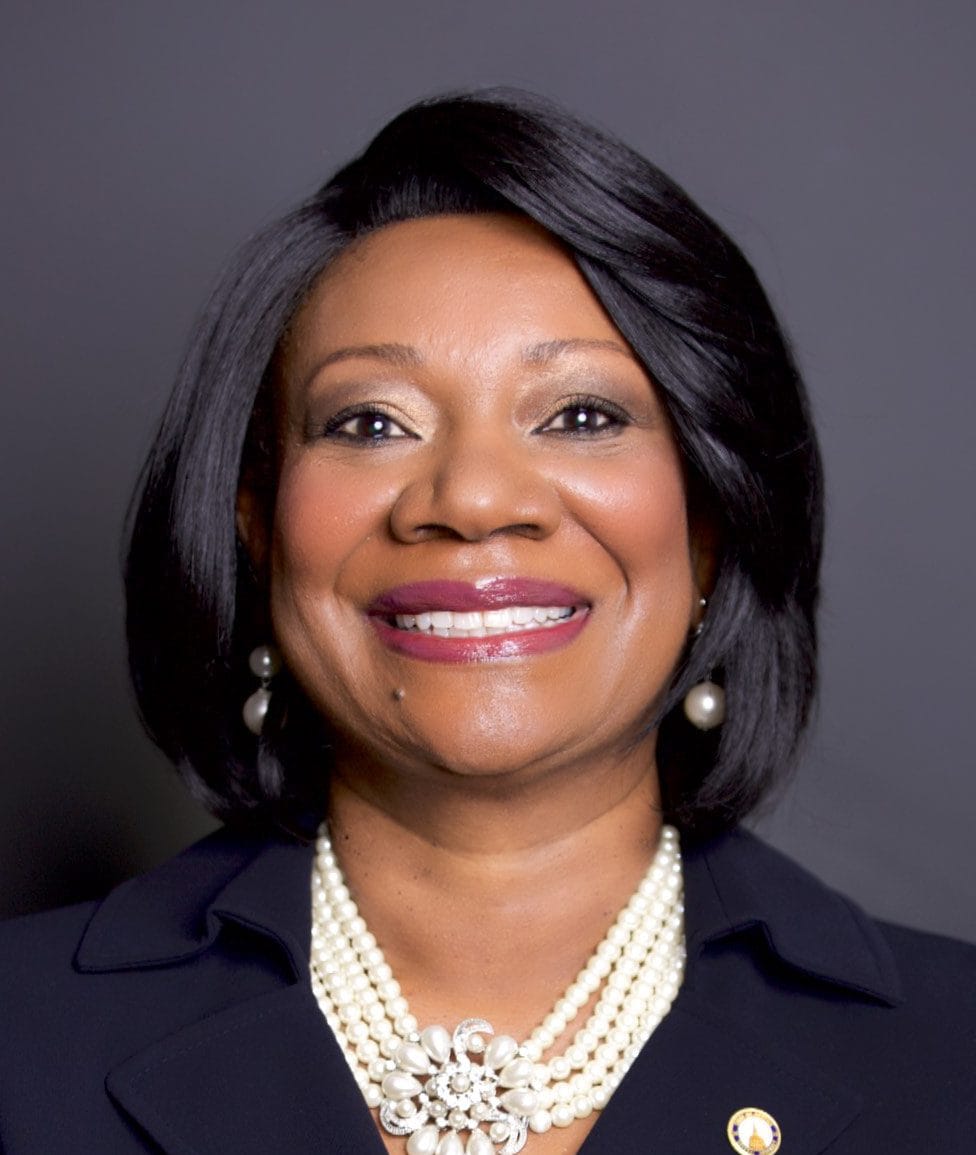
During four legislative days, the House Rules Committee remained active, placing multiple measures on the Rules Calendar daily. By week’s end, the House had passed and adopted 23 bills and resolutions, signaling an accelerated pace as lawmakers approach Legislative Day 28 — known as Crossover Day — the deadline for bills to pass out of their chamber of origin to remain eligible for final passage this session.
Among the key measures approved was House Bill 657, aimed at strengthening Georgia’s mental health and substance use recovery services. The bipartisan legislation would formally define certified peer specialists in state law as individuals with lived experience who are trained to provide ongoing support to those receiving mental health or recovery services. The bill would require certification through the Georgia Department of Behavioral Health and Developmental Disabilities, establishing consistent statewide standards for peer support services.
Lawmakers also unanimously passed Senate Bill 162 to modernize licensing and credentialing for medical professionals. The legislation would require the Georgia Composite Medical Board to implement an automated data management system for physicians, physician assistants and anesthesiologist assistants. Supporters say the change would streamline approvals and help address workforce shortages, particularly in rural communities where access to health care providers remains limited.
On Wednesday, the House unanimously approved House Bill 383, bipartisan legislation regulating Name, Image and Likeness (NIL) compensation for current and prospective Georgia high school student-athletes. The bill seeks to expand opportunities for students while providing guardrails to prevent exploitation and ensure transparency for families and schools.
Education policy was also a focus. House Bill 907 would update Georgia’s Completion Special Schools Act, revising procedures for non-traditional public high schools designed to help students who have dropped out or are at risk of dropping out earn diplomas. The schools offer flexible schedules, including evening and weekend classes, to improve graduation outcomes.
In a move aimed at expanding public health access, the House passed Senate Bill 195, which would allow pharmacists to dispense HIV prevention medications — including preexposure prophylaxis (PrEP) and postexposure prophylaxis (PEP) — under specific conditions. Lawmakers said the measure would reduce barriers to care, especially in underserved and rural communities.
The House also advanced several government accountability measures. House Bill 903 would clarify that executive branch agencies must comply with the Georgia Administrative Procedures Act when adopting certain rules, reinforcing transparency and legislative oversight in state rulemaking. House Bill 414 would grant the State Ethics Commission authority to seek court orders to obtain campaign finance or transparency-related documents from individuals located outside Georgia who refuse to comply with requests.
Additional measures approved during the week included House Bill 117, requiring food service establishments serving imported shrimp to disclose that information to consumers, and House Bill 948, mandating foreclosure notices include information about a homeowner’s right to claim surplus funds following a sale. House Bill 983 would revise provisions related to prescribed burning while allowing local governments to implement notice and permit requirements that do not restrict the practice.
Lawmakers returned to the Capitol on Tuesday, Feb. 17, following the President’s Day holiday. As Crossover Day approaches, Hugley said the House’s schedule is expected to intensify, with longer floor sessions and increased legislative activity.
With several weeks remaining in the 2026 session, House leaders say the focus will remain on advancing bipartisan priorities while meeting critical procedural deadlines that determine which measures can ultimately become law.