
Candidates Criticized for Absence at Columbus Forum Ahead of May 19 Election
Two candidates seeking seats on the Columbus City Council drew criticism after failing to attend a recent public forum, prompting


This is not a commentary about mayoral indecision. It is a commentary about a troubling lack of understanding—and respect—for process, protocol, and people displayed by District 9 City Councilor John Anker.
Anker was appointed, not elected, yet he has repeatedly positioned himself as an authority on the city charter while demonstrating, in both tone and substance, that he does not fully grasp how it operates. Even more concerning is the pattern of conduct that has followed his appointment. From the outset, his presence on the Columbus City Council has been marked less by collaboration and more by confrontation—particularly toward the mayor, the city manager, and professional administrative staff.
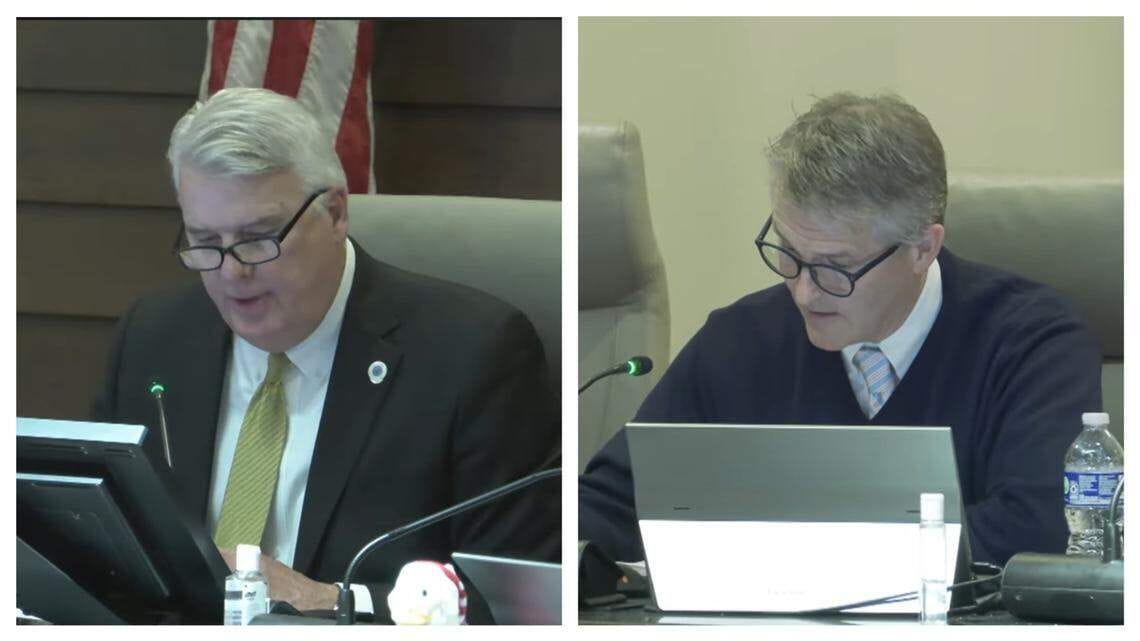
The latest flashpoint came during a recent council meeting when Anker pressed Mayor Skip Henderson with a question he framed “for the record”: whether a job offer had been extended to any finalist in the ongoing city manager search. The mayor answered plainly—no.
That should have been the end of it.
Instead, Anker invoked a point of personal privilege to read a prepared statement that sounded less like oversight and more like an indictment. He accused the mayor of failing to perform a so-called “non-discretionary duty,” arguing that the administration squandered time despite knowing years in advance of the former city manager’s planned retirement through the Deferred Retirement Option Plan (DROP). He further claimed that even after the manager’s termination for cause, the mayor failed to act decisively.
Anker went on to criticize the recruitment timeline, alleging broken promises after the applicant pool was narrowed from roughly 30 candidates to five finalists. He accused the mayor of “kicking the can,” wasting taxpayer dollars, eroding public trust, and leaving the city vulnerable—citing staff shortages, unrealistic budgets, lingering management challenges, and declining confidence among residents and business leaders.
But here is the question that must be asked on a Sunday morning, when reflection is supposed to matter: At what point does scrutiny cross into sabotage?
When asked directly whether he would nominate a candidate at the next meeting, Mayor Henderson again answered plainly: no. The exchange then escalated. The mayor sharply rebuked Anker, accusing him of recklessness, arrogance, and politicizing a complex process.
“You don’t know the process,” Henderson said. “All you know how to do is fire people.”
That statement, while blunt, landed where it landed because it touched a nerve many in the community—and inside City Hall—have been feeling for some time. Anker’s posture has consistently leaned toward disruption rather than governance. His verbal disrespect toward the mayor, senior administrators, and professional staff has become a pattern, not an exception.
The city charter is not a weapon to be swung for personal or political theatrics. It is a framework designed to ensure stability, continuity, and thoughtful leadership. It requires patience, institutional knowledge, and respect for roles—qualities that cannot be replaced by volume or bravado.
Mayor Henderson has been clear: he will not sacrifice quality for speed, particularly in light of the circumstances surrounding the previous city manager’s removal—circumstances that have undeniably complicated recruitment. That position may frustrate some, but it is neither reckless nor unlawful.
What is reckless is the repeated undermining of institutional process by a councilor who appears more interested in public confrontation than collective problem-solving. What truly erodes public trust is not a deliberate search for the right leader, but the spectacle of internal discord fueled by misinformation, impatience, and disrespect.
Columbus does not need more noise.
It needs steady leadership.
It needs mutual respect.
And it needs a shared commitment to governing—not grandstanding. I for one can’t wait until the next election when Anker's appointed term comes to an end.