
A Local Perspective on Housing: Why Columbus Needs Flexible Options for Our Families and Fort Benning
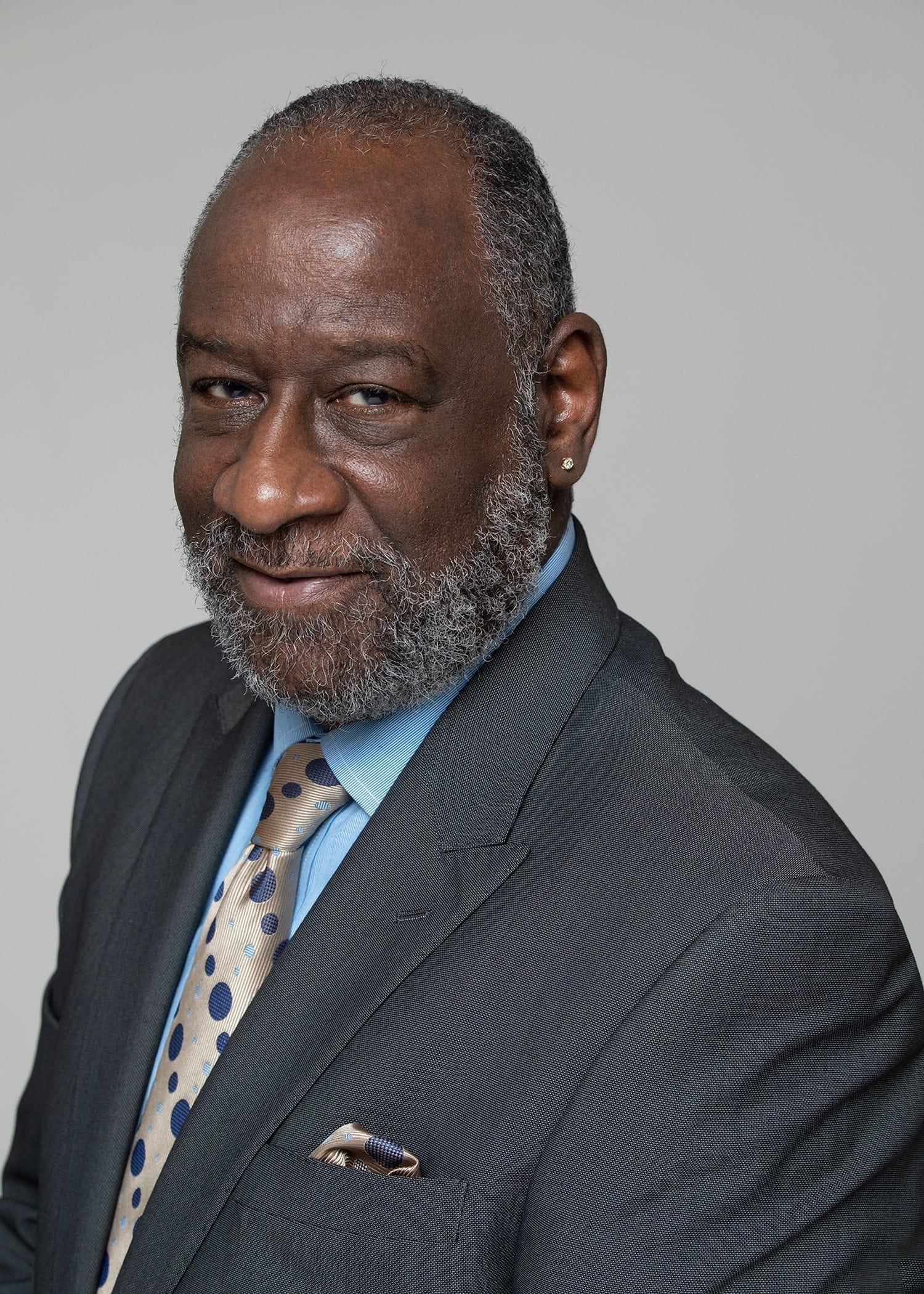
By Dr. Marvin Broadwater, Sr. – Retired US Combat Veteran Currently, there are discussions in the Georgia General Assembly aimed at


Those seated in the White House, in Congress, on the Supreme Court, in state legislatures, governors’ mansions, and attorneys general offices increasingly deny one of America’s greatest blessings: its growing diversity. Across the nation, policies of suppression and erasure continue to target communities of color—not because our voices are weak, but precisely because they are powerful.
That is why local voter turnout on May 19, 2026, is not optional. It is essential.
Democracy is not sustained by speeches in Washington or headlines on cable news. It is sustained in places like Muscogee County—in neighborhoods, churches, barber shops, sorority meetings, civic gatherings, and community forums—where everyday people decide whether their voice matters enough to be used.
History teaches us this truth. We have endured slavery, Reconstruction, Jim Crow, the civil rights struggle, mass incarceration, and now voter suppression disguised as “election integrity.” Through every era, we have been knocked down, but never knocked out. Progress has always come when ordinary people showed up and voted locally.
Right here at home, The Courier Eco Latino stands as proof that local media still matters. The Black press is not a spectator in democracy—we are participants. We do not merely report elections; we help our communities understand what is at stake, who is accountable, and why participation is power.
But media alone is not enough.
This moment requires disciplined collaboration. Black civic organizations. Faith leaders. Social clubs. Advocacy groups. Neighbors talking to neighbors. We must organize. We must mobilize. And we must do so intentionally—not once, not only during election season, but consistently and strategically.
Coalitions do not hold themselves together. They require commitment.
Words matter because they represent the interests of our people. But messaging without organization is noise. Organization without turnout is theater. When messaging, organization, and voter turnout align—change becomes inevitable.
That is our assignment. The path to the largest voter turnout in our community begins locally, on May 19, 2026. That responsibility belongs to us—not to national pundits, not to outside consultants, but to communities that understand what is lost when voices are silenced and what is gained when ballots are cast.
Democracy has always depended on communities willing to stand, speak, and vote. On May 19, 2026, we must answer that call.