
Georgia Sen. Ed Harbison Announces Retirement After More Than Three Decades of Service
After more than three decades of service beneath the Gold Dome, Georgia State Sen. Ed Harbison — a steadfast voice for


Younger Black Americans are increasingly stepping away from the pews that shaped their parents and grandparents and choosing instead to worship in predominantly white or multiracial churches. It’s a shift driven not by rejection of faith, but by a search for something they feel many traditional Black churches no longer offer: authenticity, transparency, and relevance.
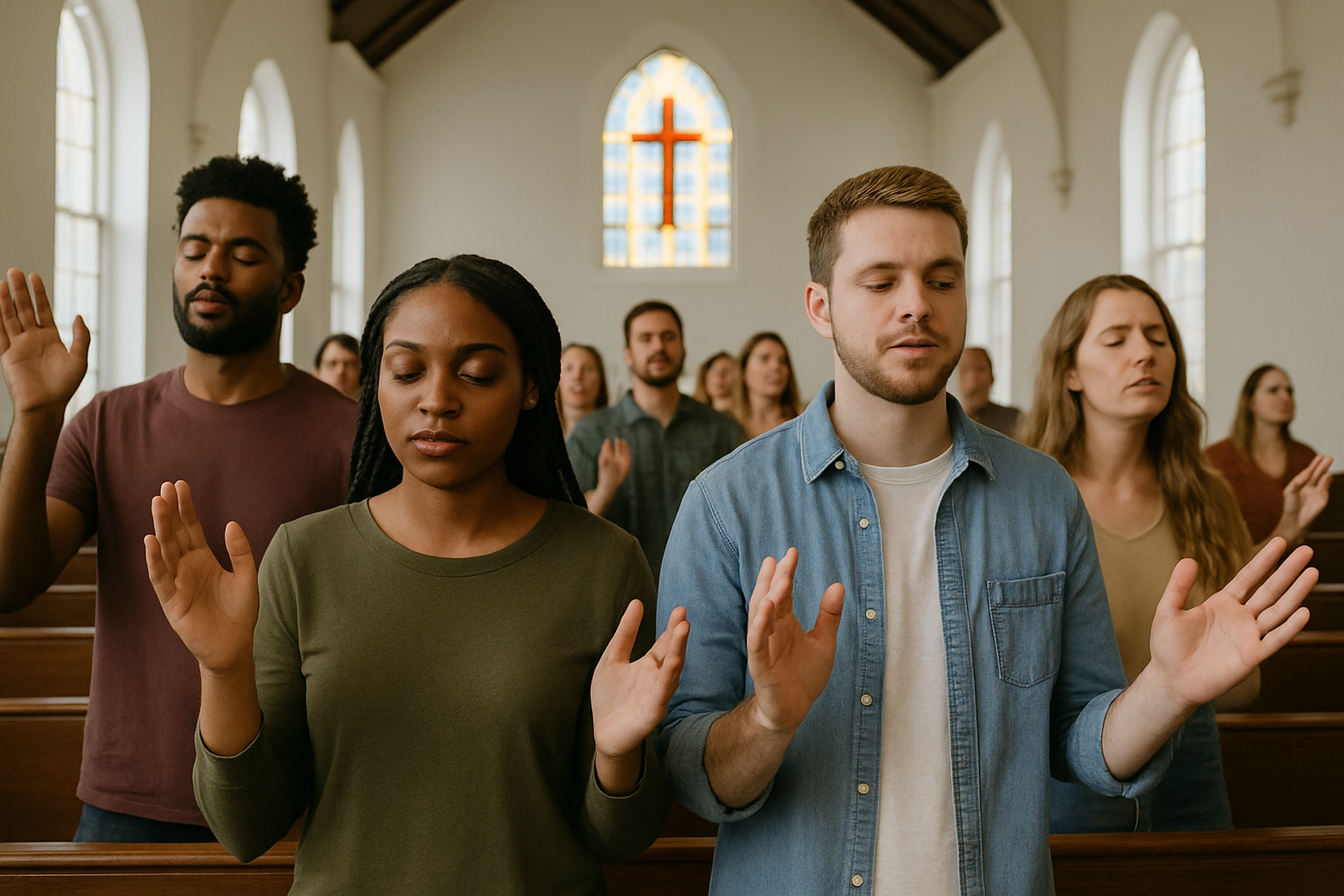
For generations, Black churches were the backbone of our communities — incubators of social movements, sanctuaries during turbulent times, and the very heart of our cultural identity. But today’s younger adults say they are looking for worship spaces that feel more attuned to the world they’re navigating now. They want sermons that speak clearly to issues like racial justice, mental health, economic inequality, and gender equity. They want church leadership willing to confront systemic injustice with conviction, not caution.
Many say they are tired of “church politics” and generational hierarchies that shut down questions rather than encourage them. Others are seeking worship styles that feel more contemporary, more intimate, or more emotionally accessible. And some are simply looking for a spiritual home where they feel seen and welcomed without having to fit a traditional mold.
The draw to multiracial or predominantly white congregations isn’t always about the theology — it’s often about the environment. Younger worshippers say they find more open dialogue, more modern music, more transparent leadership, and more intentional engagement with current social issues in those spaces. They find communities that talk candidly about race without flinching, and that challenge injustice directly rather than treating it as a political landmine.
This trend raises uncomfortable but necessary questions for Black churches: Are we listening to the needs of the generation we’re losing? Are we offering space for their voices, their questions, and their call for accountability? Are we prepared to evolve not in faith, but in function?
The Black church has survived centuries because it knew how to adapt without losing its soul. But adaptation requires honest reflection. This moment calls for more than nostalgia; it calls for courageous leadership willing to ask why so many of our young people are searching for belonging somewhere else.
Because they aren’t abandoning faith — they’re seeking it. They’re looking for a place where their humanity is honored, their struggles are acknowledged, and their questions are not just tolerated, but welcomed.
The challenge before us is clear: if we want to reclaim our role as the spiritual home for our young people, we must meet them where they are — not where we wish they would be.