
View from a Pew When Silence Speaks Louder Than Shouting
There comes a moment in every relationship when the volume drops — not because peace has entered the room, but because


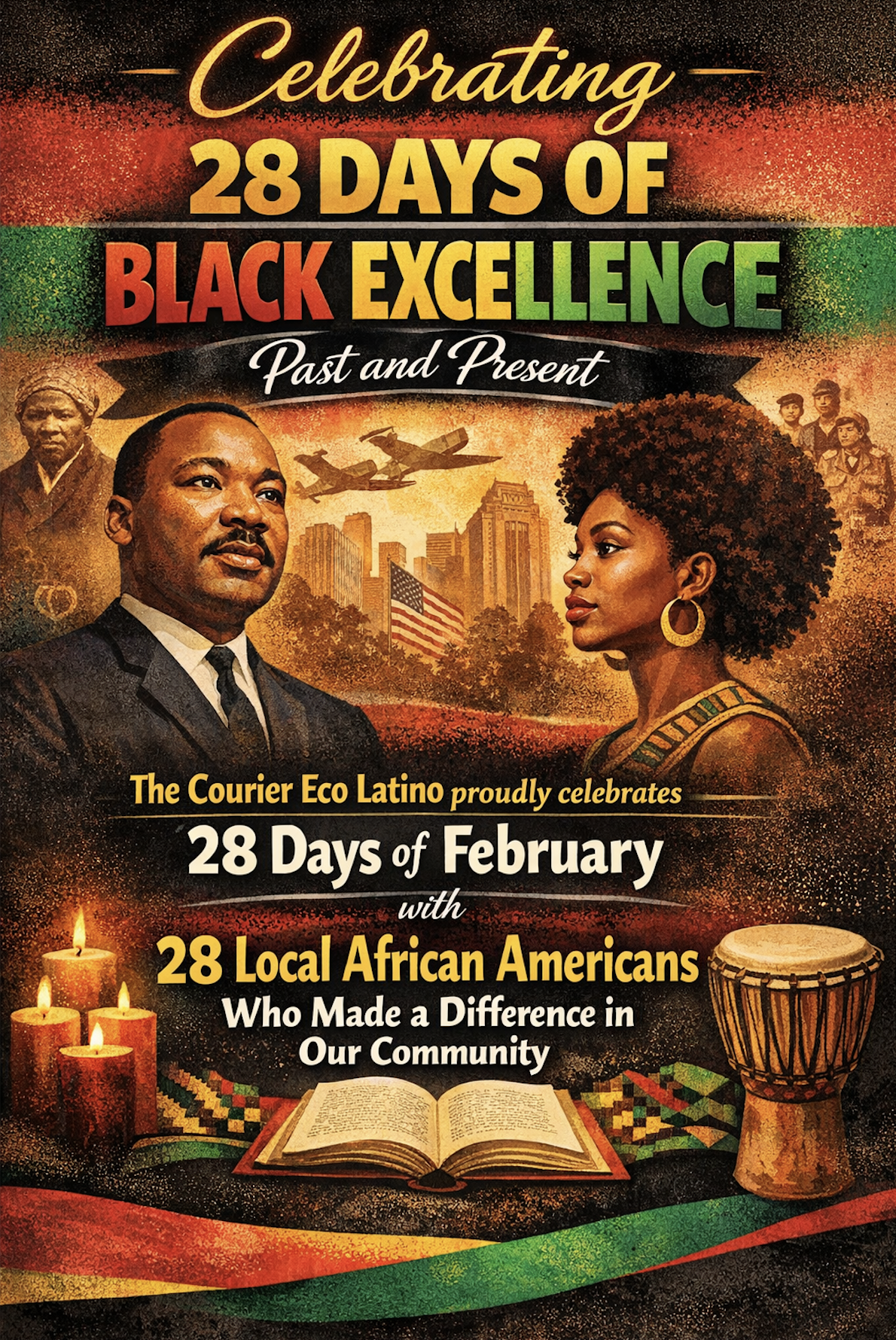
Throughout the month of February, The Courier Eco Latino honors Black History Month by spotlighting one local African American leaders or organization—past or present—each day. The series features trailblazers, educators, entrepreneurs, artists, advocates, and unsung heroes whose contributions have helped shape the soul, strength, and future of our community.
These are stories that may not always make headlines, but make a difference every day. From classrooms to boardrooms, from pulpits to protest lines, from small businesses to grassroots movements, each honoree reflects resilience, leadership, and service rooted right here at home.
In the story of Black progress in Columbus, the name Vernon Mitchell stands as both witness and architect.
Mitchell was more than a publisher. He was an educator, coach, businessman and civil rights leader whose work during one of the South’s most turbulent decades helped shape the narrative and direction of the Black community in Columbus.
Best known as publisher of The Columbus Times — then widely recognized as one of the primary news voices of the city’s Black community — Mitchell used the power of the press to inform, mobilize and advocate. Under his leadership in the 1960s, the newspaper reported not only on local events but also on the broader Civil Rights Movement, offering coverage often overlooked or underrepresented in mainstream outlets.
Founded to serve African Americans in Columbus, The Columbus Times carried a mission that extended beyond headlines. Its purpose was clear: to promote the development of the community along all lines — civic, social, political, religious, economic, individual, commercial and educational.
Mitchell embraced that mission fully. At a time when Black political participation was expanding but still met with resistance, the newspaper became a vehicle for voter education, community organizing and public accountability. It highlighted local leaders, churches, businesses and youth achievements, helping to build pride and unity during an era marked by segregation and social upheaval.
Those who knew him describe Mitchell as disciplined and driven — a man who understood that information was power and that ownership of narrative was essential to freedom.
Beyond publishing, Mitchell worked as a coach and educator, mentoring young people and emphasizing the importance of discipline and self-determination. His leadership extended into business ownership and civic engagement, reflecting a generation of Black leaders who believed progress required both institution-building and public advocacy.
In 1968, Mitchell married Dr. Ophelia DeVore Mitchell, an internationally known model, entrepreneur and advocate for Black representation in fashion and media. Though their marriage was brief, it marked the beginning of a partnership that would later influence the legacy of The Columbus Times.
Mitchell died on July 15, 1970, at just 41 years old. His passing left a void in Columbus’ Black leadership circle during a critical period of social transformation.
Following his death, Dr. DeVore Mitchell assumed leadership of The Columbus Times, continuing its publication and expanding its reach. The newspaper was later operated and maintained by Dr. DeVore Mitchell, her daughter Carol and son-in-law Helmut Gertjegerdes, ensuring that the publication remained in family hands and rooted in its original mission.
Vernon Mitchell’s life reflects a larger truth about local civil rights history: not all leaders marched in Washington or stood at national podiums. Some fought their battles in newsroom offices, classrooms and community meetings — shaping public thought one edition at a time.
In honoring Vernon Mitchell, Columbus honors a man who understood that liberation required communication, leadership and ownership. His work reminds us that local Black newspapers were not merely businesses; they were instruments of empowerment and guardians of community memory.
And in that role, Vernon Mitchell left an indelible mark on the city he served.