
View from a Pew: When They Huddle, You Rise
When one person doesn’t like you, that’s personal. But when they start gathering others who feel the same


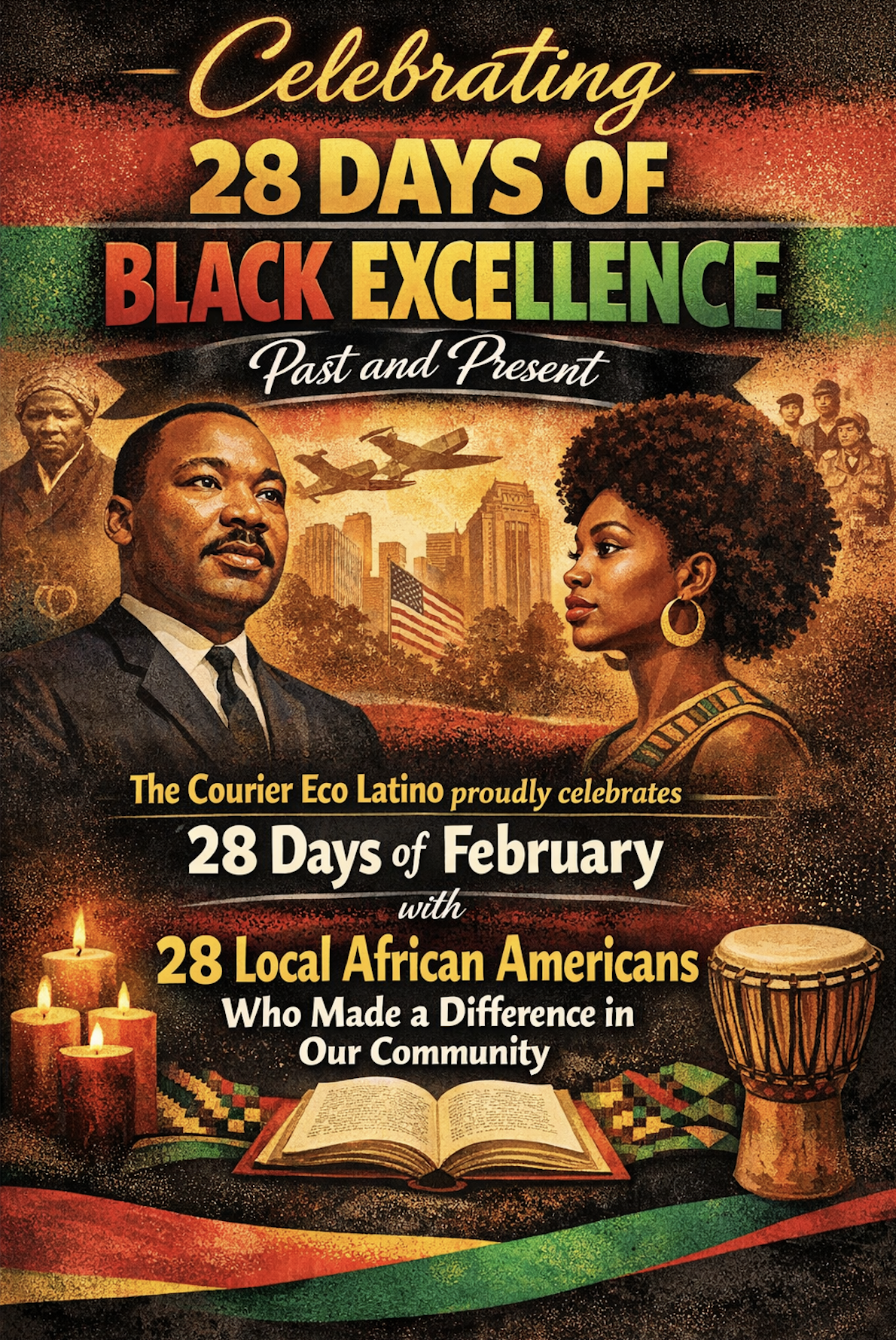
Throughout the month of February, The Courier Eco Latino
honors Black History Month by spotlighting local African American leaders or
organizations—past or present—each day. The series features trailblazers,
educators, entrepreneurs, artists, advocates, and unsung heroes whose
contributions have helped shape the soul, strength, and future of our
community.
These are stories that may not always make headlines but make a difference every day. From classrooms to boardrooms, from pulpits to protest lines, from small businesses to grassroots movements, each honoree reflects resilience, leadership, and service rooted right here at home.
Built in 1924 and opened in April 1925, the Liberty Theatre stands as one of Columbus’ most significant historic landmarks and a cornerstone of African American cultural life during the Jim Crow era.
Located at 813 Eighth Ave., the brick theater was the first and largest venue in Columbus where Black residents could gather for films, live performances and community events at a time when segregation barred them from other downtown theaters. With a seating capacity of approximately 600 to 705 — including a balcony and full stage loft — the Liberty quickly became the city’s primary entertainment destination for African Americans and, for a time, boasted the largest seating capacity of any motion-picture house in Columbus.
A Cultural Anchor in Segregated Columbus
Constructed by white theater magnate Roy E. Martin of Martin Theatres, the Liberty Theatre was created specifically to serve Black audiences. During the silent film era, local musicians provided live accompaniment. The venue also featured vaudeville productions, minstrel shows and touring acts along the famed “Chitlin’ Circuit,” a network of performance spaces that showcased Black entertainers across the segregated South.
Among the celebrated performers who graced the Liberty’s stage were jazz and blues legends such as Ma Rainey, a Columbus native known nationally as the “Mother of the Blues,” Ella Fitzgerald and Cab Calloway. For many in the Black community, the Liberty was more than a theater — it was a rare space of joy, pride and cultural affirmation.
Beyond entertainment, the theater served as one of the few public gathering spaces for African Americans outside of churches. Under the longtime management of D.P. Nesbitt, who led operations from 1943 to 1963, the Liberty thrived as both a business and a community institution. During that period, the theater even welcomed visits from civil rights leaders, including Martin Luther King Jr., reflecting its broader social significance.
Decline and Closure
Following the end of legal segregation and the gradual decline of traveling road shows, attendance at the Liberty began to wane. As integration opened previously restricted venues, the once-thriving theater faced increasing financial challenges. The Liberty Theatre ultimately closed its doors in 1974.
Before its closure, Martin donated the building to alumni of William H. Spencer High School known as the Owlettes, a move that helped preserve the property for future restoration efforts.
Restoration and Renewal
Recognizing its historical importance, preservation advocates successfully secured the Liberty’s listing on the National Register of Historic Places in 1984. Through sustained community efforts, the building was restored and reopened in November 1996, later resuming operations in 1997 as the Liberty Theatre Cultural Center.
A Century of Legacy
The Liberty Theatre is undergoing additional renovations as it approaches and celebrates its 100th anniversary. It remains one of only four historic African American theaters in Georgia and stands as a testament to resilience, artistry and community pride.
For more than a century, the Liberty Theatre has reflected the story of Black Columbus — from segregation and struggle to restoration and renewal — serving as both a historic monument and a living cultural institution poised for its next chapter.