
A Local Perspective on Housing: Why Columbus Needs Flexible Options for Our Families and Fort Benning
By Dr. Marvin Broadwater, Sr. – Retired US Combat Veteran Currently, there are discussions in the Georgia General Assembly aimed at


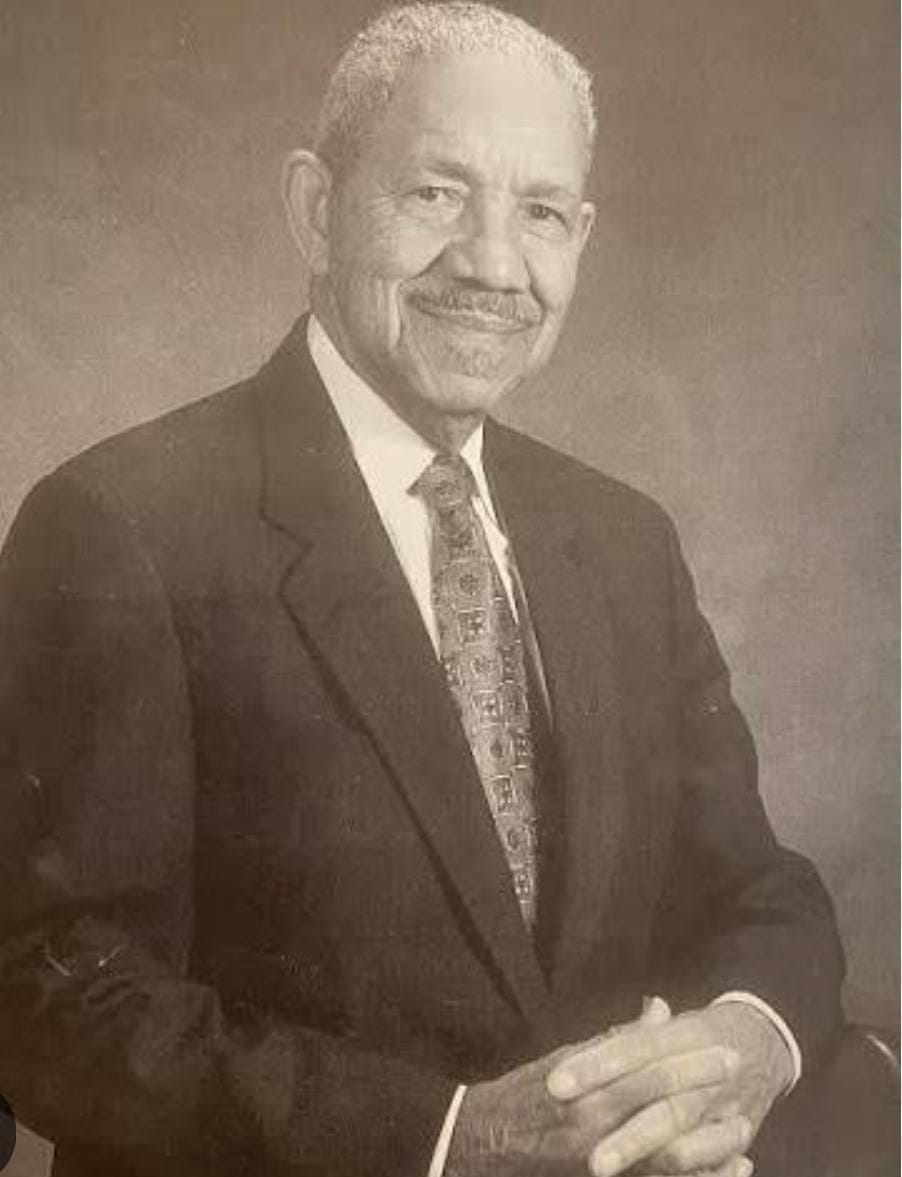
Throughout the month of February, The Courier Eco Latino will honor Black History Month by spotlighting one local African American leader—past or present—each day. The series will feature trailblazers, educators, entrepreneurs, artists, advocates, and unsung heroes whose contributions have helped shape the soul, strength, and future of our community.
These are stories that may not always make headlines, but make a difference every day. From classrooms to boardrooms, from pulpits to protest lines, from small businesses to grassroots movements, each honoree reflects resilience, leadership, and service rooted right here at home.
More than a celebration, this series serves as a reminder that Black history is local, living, and still being written. Join us each day as we honor the people whose legacy continues to move our community forward.
Arthur Joseph "A.J." McClung, (Jan. 15, 1912-Nov. 17, 2002) a pioneering educator, civil rights leader and longtime public servant who helped reshape Columbus during a period of profound racial and political change, died in 2002. He was 89.
McClung is best remembered for becoming the first Black mayor of a major Southern city, serving in an acting capacity for 52½ days in 1973 following the death of Mayor J.R. Allen. At the time, McClung was mayor pro tem, a position he earned after being elected to the Columbus City Council in 1970.
His ascent followed the consolidation of city and county governments, a historic restructuring that McClung helped design. His election as mayor pro tem made him the first African American to hold that post in Columbus.
McClung served on the City Council for 28 years, retiring in 1998, making him one of the longest-serving council members in city history. During the turbulent years of the Civil Rights Movement and its aftermath, he was widely credited with helping calm racial tensions and guide the city through moments of unrest in the early 1970s. He also broke barriers as the first African American appointed to the local Public Safety Board.
Beyond elected office, McClung’s influence was deeply rooted in community service. From 1954 to 1978, he served as executive director of the Brookhaven Branch YMCA, later renamed the A.J. McClung YMCA in his honor. Earlier, from 1943 to 1954, he directed the African American USO in Columbus, providing a vital gathering place and support system for Black service members during and after World War II.
A graduate of Tuskegee Institute in 1933, McClung began his career as an educator and athletic coach, earning a reputation as an innovator and mentor to young people across the Chattahoochee Valley.
His legacy is visible across Columbus. In 2003, the city renamed its primary 15,000-seat stadium A.J. McClung Memorial Stadium in recognition of his civic leadership. McClung also played a key role in establishing Columbus as the permanent home of the annual Tuskegee-Morehouse football classic, a signature cultural and sporting event.
McClung’s commitment to public service extended to his family. His daughter, Lillian “Bunky” McClung Clark, emerged as a civic leader in her own right, participating in the integration of Columbus’ bus system and later serving in the administration of President Jimmy Carter.
Remembered as a bridge-builder, mentor and steady hand in times of change, A.J. McClung left an enduring imprint on Columbus — one defined by service, dignity and a belief that progress is built through both courage and cooperation.