
OP-ED: FRAUD AND SCAMS CONTINUE TO RISE IN GEORGIA, COMPREHENSIVE SOLUTIONS TO STOP THEM NEEDED
By Dr. Tiffany McBride Earlier this year, a retired couple in Cobb County was scammed out of nearly $800,000


Throughout the month of February, The Courier Eco Latino honors Black History Month by spotlighting local African American leaders or organizations—past or present—each day. The series features trailblazers, educators, entrepreneurs, artists, advocates, and unsung heroes whose contributions have helped shape the soul, strength, and future of our community.
These are stories that may not always make headlines, but make a difference every day. From classrooms to boardrooms, from pulpits to protest lines, from small businesses to grassroots movements, each honoree reflects resilience, leadership, and service rooted right here at home.

In the heart of what was once the commercial and cultural center of Black Columbus, the name John Leonard Sconiers Sr. remains synonymous with enterprise, dignity and community advancement.
Born Oct. 17, 1884, Sconiers was the son of King Dock Sconiers and Mariah Bryant Sconiers. His family’s roots trace back to the brutal realities of slavery in southwest Georgia. King Dock, born in 1821 to Sophie Simmons after she was impregnated by her enslaver in Fort Gaines, was sold as an infant along with his brother. After emancipation, he altered the spelling of the family name from “Sconyers” to “Sconiers,” marking a symbolic assertion of independence and identity.
From that legacy of survival, John L. Sconiers Sr. built institutions.
Founding a Legacy in Service
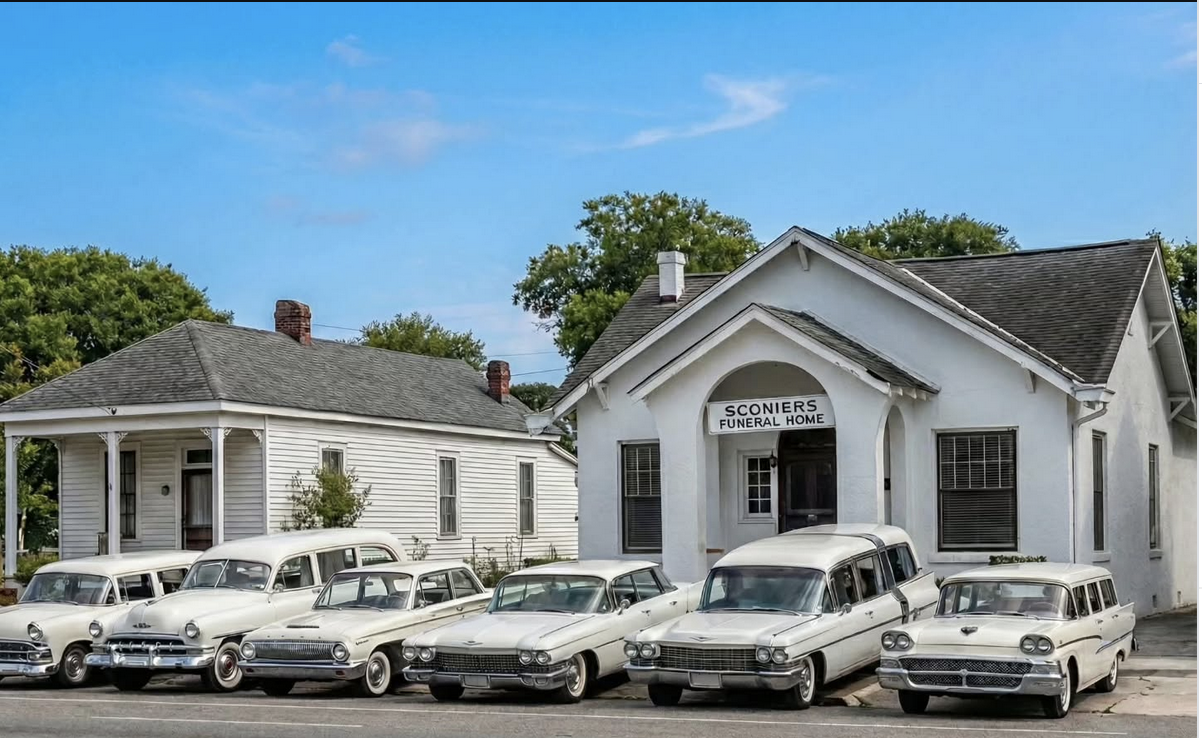
In 1916, Sconiers established Sconiers Funeral Home in Columbus — now recognized as the city’s oldest Black-owned business. Originally operating from a small house adjacent to what would become the Sconiers Building, the funeral home grew into one of the most modern and fully equipped facilities in the South during the early 20th century.
At a time when segregation denied African Americans access to basic services, Black-owned funeral homes were essential institutions. They provided not only burial services but also a space of dignity, order and professionalism for families navigating loss in a segregated society.
A historic 1964 image of the funeral home’s spotless fleet lined neatly outside its doors captures more than vehicles — it reflects the pride, organization and economic strength of a Black enterprise thriving despite systemic barriers.
A Builder of Black Financial Power
Sconiers’ vision extended beyond funeral service.
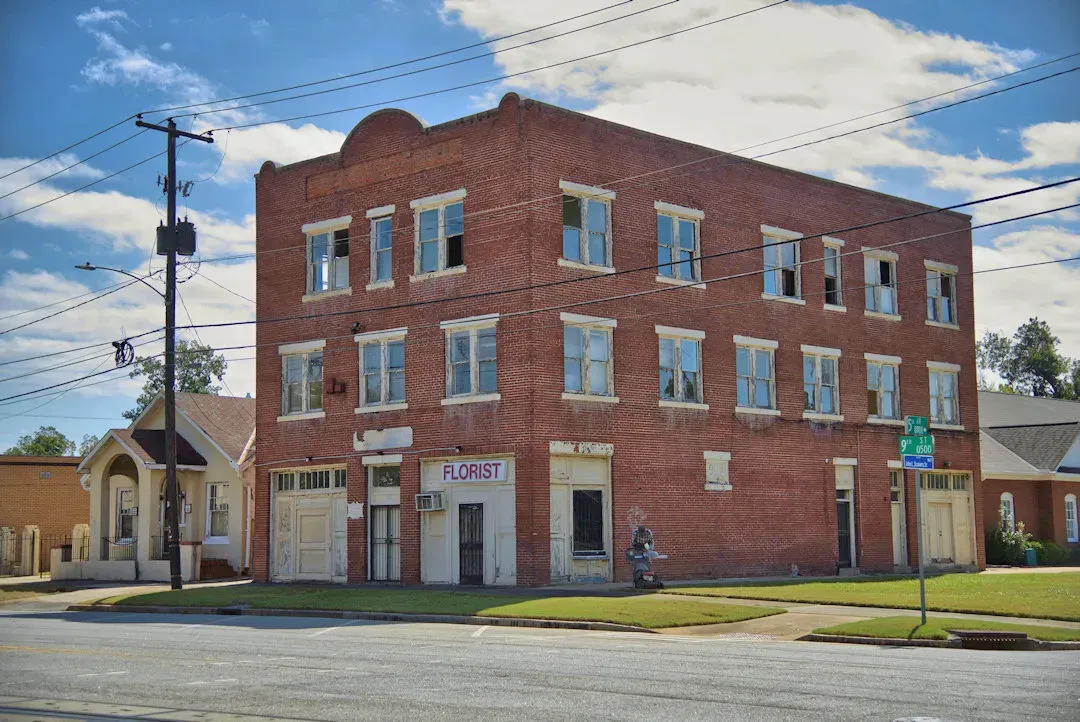
In 1921, he founded the Laborers’ Savings and Loan Company, the first Black American bank in Columbus. Located on the ground floor of the Sconiers Building at 9th Street and Fifth Avenue, the institution offered savings accounts, checking accounts, vacation clubs and Christmas clubs — financial tools designed to foster stability and generational planning within the Black community.
Though the bank closed during the Great Depression of the 1930s, its existence marked a significant chapter in the city’s economic history. It represented an early attempt to create financial infrastructure controlled and sustained by African Americans.
The Liberty District Hub
The corner of 9th Street and 5th Avenue — within the Liberty District — served as the epicenter of Black commerce for much of the 20th century. The Sconiers Building stood as one of its anchors.
Beyond the bank, the building housed professional offices and businesses that contributed to the growth of a Black middle class in Columbus. Tenants included Atlanta Life Insurance Company, Afro-American Life Insurance Company, Guaranty Life Insurance Company, barber Charles Johnson and beautician Eula Jones. The third floor, known as Sconiers Hall, functioned as an auditorium for conventions, assemblies, lodge meetings and entertainment — a gathering space for civic and cultural life.
Civil Rights Leadership
Sconiers was also deeply engaged in civic activism. As a civil rights advocate and treasurer for the local chapter of the National Association for the Advancement of Colored People, he played an instrumental role in the founding of the Columbus branch of the NAACP. His work reflected a broader commitment to advancing political rights and social justice alongside economic empowerment.
A Homegrown Institution
Adjacent to the funeral home stood the residence of John L. Sconiers Sr. and his wife, Susie Marion Sconiers — underscoring that the enterprise was not simply a business venture but a family-rooted institution embedded in the community it served.
Sconiers died Nov. 29, 1959, but the institutions he built continue to echo through Columbus history.
Today, Sconiers Funeral Home remains a living testament to resilience, entrepreneurship and leadership. In an era when African Americans were systematically excluded from financial and professional systems, John Leonard Sconiers Sr. responded not with retreat, but with construction — building structures of service, dignity and Black excellence that helped shape the economic backbone of the Liberty District.
His story stands as a reminder that progress in Columbus was not granted — it was built.