
News
CEL News: Sunday Edition
A Tradition of Honor and Reflection READ MORE Sunday Conversation: with LaTivia Rivers Manager, Columbus Welcome Center READ MORE Celebrating


A Q&A With Sanford D. Bishop Jr. on Columbus’ Annual Black History Month Observance Breakfast
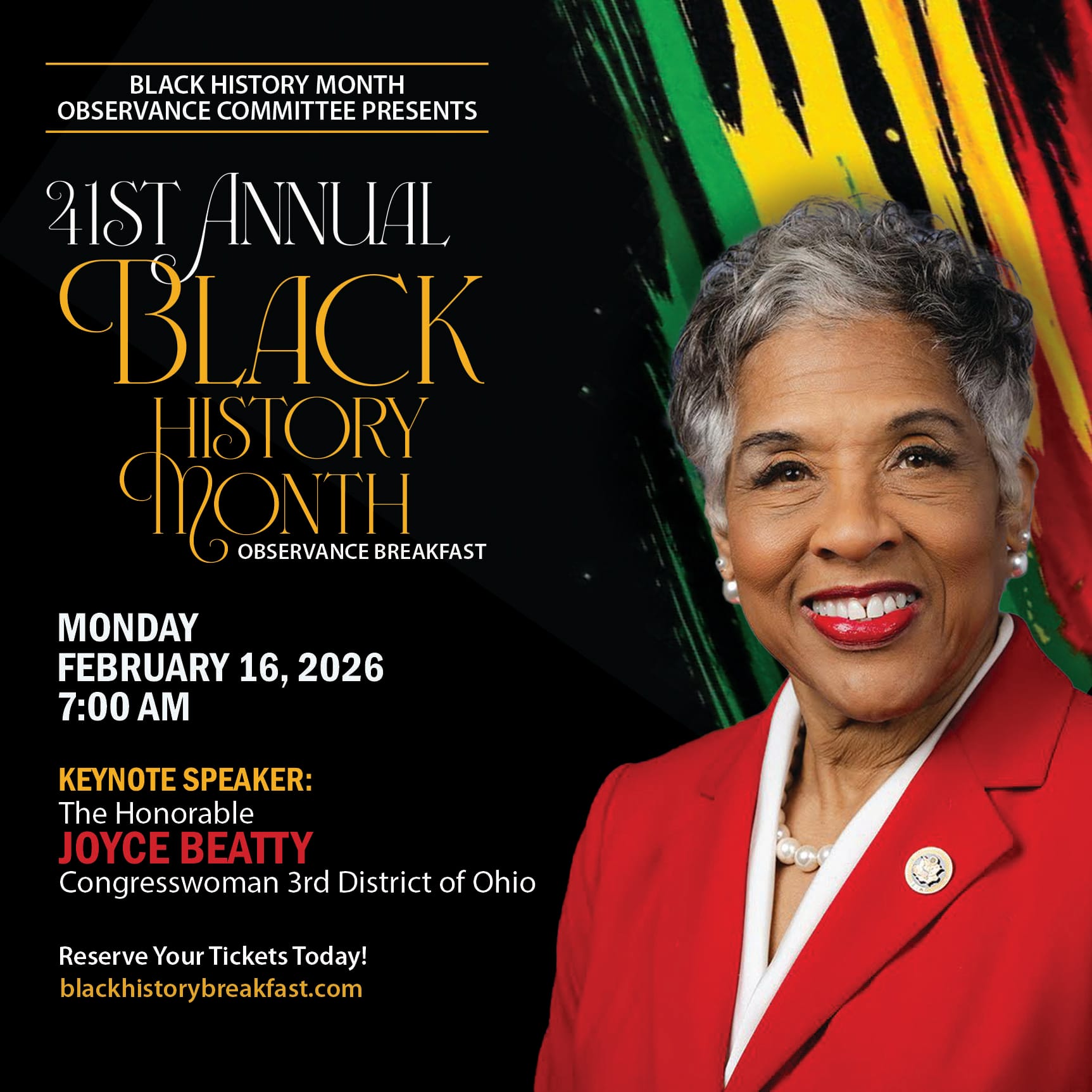
For more than four decades, the Annual Black History Month Observance Breakfast has stood as one of the most enduring community traditions in Columbus, honoring African American history, leadership, and service. Since 1993, U.S. Rep. Sanford D. Bishop Jr. has served as honorary committee chairman, helping guide the event’s growth and purpose.
In this question-and-answer interview, Bishop reflects on the breakfast’s origins, its impact on the community, and why the tradition continues to matter.
Q: Congressman Bishop, take us back to the beginning. How did the Black History Month Observance Breakfast start?
Bishop: The breakfast began 41 years ago as a grassroots effort to formally recognize Black history and achievement in our community. The late Congressman Richard Ray served as the first honorary committee chairman, followed by the late Congressman Mac Collins. When I assumed the role in 1993, the goal remained the same—to uplift African American history while bringing the entire community together in reflection and unity.
Q: What is the core purpose of the breakfast today?
Bishop: At its heart, the breakfast honors individuals, organizations, and communities that have made meaningful contributions to African American history and to Columbus as a whole. It is both a celebration and a reminder—celebration of progress made, and a reminder of the work that remains. Importantly, proceeds from the event go directly back into the community, supporting local charitable organizations in the Columbus area.
Q: The breakfast has lasted more than four decades. Why do you think it has endured?
Bishop: Longevity comes from relevance. This event has always been about people—recognizing unsung heroes, honoring legacy builders, and creating space for dialogue and inspiration. Each year, people leave not just informed but encouraged. That sense of purpose is what keeps the tradition alive.
Q: The breakfast has also welcomed nationally known leaders as keynote speakers. Why is that important?
Bishop: Inviting national voices connects our local story to the broader American narrative. Past keynote speakers have included then-Senator Barack Obama, First Lady Jill Biden, the late Elijah Cummings, House Democratic Leader Hakeem Jeffries, and U.S. Rep. Jasmine Crockett. Their presence underscores that what happens in Columbus matters far beyond our city limits.
Q: How does the breakfast strengthen community unity here in Columbus?
Bishop: The breakfast brings together people from all walks of life—faith leaders, educators, elected officials, business owners, students, and families. It’s intergenerational and inclusive. When people sit at the same table, share stories, and honor excellence together, that builds understanding and unity in a very real way.
Q: What role have your congressional colleagues played in supporting this tradition?
Bishop: Support from colleagues such as Bennie Thompson and Jim Clyburn reflects how respected this event is nationwide. Their participation affirms that Columbus’ commitment to honoring Black history is recognized at the highest levels.
Q: Looking ahead, what do you hope future generations take from this breakfast?
Bishop: I hope they understand that history is not distant—it lives through people, service, and responsibility. This breakfast teaches that honoring the past is essential to shaping a better future. As long as that message resonates, this tradition will continue to thrive.
About the Event
The Annual Black History Month Observance Breakfast is one of Columbus’ most significant cultural events, honoring the rich heritage and lasting contributions of African Americans while fostering reflection, unity, and community investment. Proceeds benefit local charitable organizations, ensuring the celebration’s impact extends well beyond a single morning.